
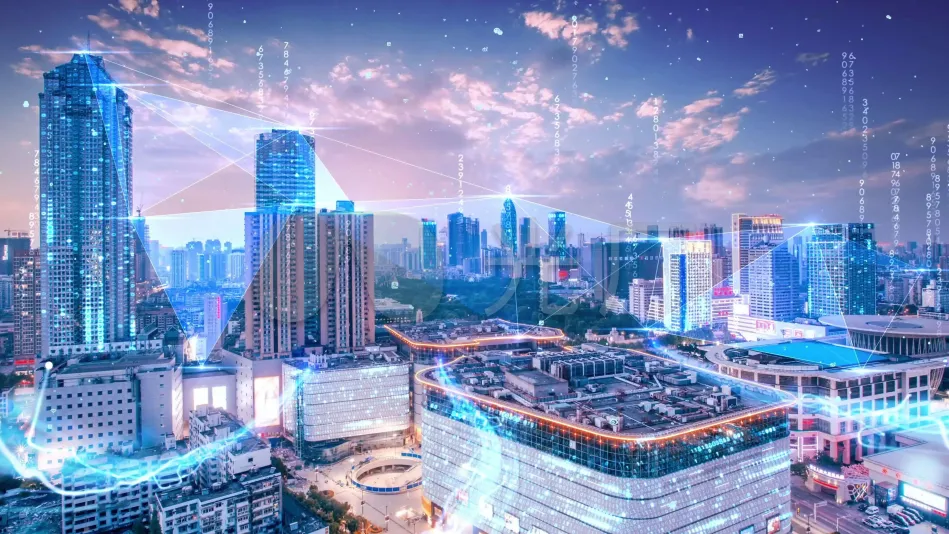
Exploring Seven Major Development Trends of Future Smart Cities
With the rapid advancement of technology and multiple challenges in the context of globalization, the concept and practice of smart cities are increasingly valued by countries around the world. Below, we explore seven major development trends of future smart cities.
1. Planning Green Public Spaces
In the context of "carbon reduction" and green ecology, future cities will place more emphasis on the humanization and ecologicalization of public spaces. Green spaces can not only absorb carbon dioxide but also provide residents with spaces for rest and social interaction, further enhancing the livability of cities.
2. Building Smart Health Communities
Future smart health communities will utilize technologies such as artificial intelligence and big data to provide residents with more precise and personalized health management services. With the advancement of the tiered diagnosis and treatment system, internet-based healthcare will become an important service module in urban communities.
3. Creating "15-Minute Cities"
This concept emphasizes convenience and sustainability in urban planning, reducing unnecessary long-distance travel and improving urban efficiency and quality of life. At the same time, such planning also helps strengthen community cohesion and belonging.
4. Accelerating Low-Carbon Smart Mobility
With the development of new energy vehicles and autonomous driving technology, low-carbon smart mobility will gradually become the mainstream of future urban transportation. This will not only effectively reduce carbon emissions but also improve road safety and efficiency.
5. Automating City Operations through Artificial Intelligence
Smart cities will utilize technologies such as artificial intelligence and cloud computing to achieve automated operation and management of the city. This will greatly enhance the efficiency and response speed of the city, providing residents with more efficient and convenient services.
6. Strengthening Cybersecurity and Privacy Protection
As data increasingly becomes crucial to urban management and operation, cybersecurity and privacy protection have become an issue that cannot be ignored. Future smart cities will place greater emphasis on researching technologies and strategies in this area, ensuring data security and personal privacy protection.
7. Implementing Surveillance and Police Prediction Using Artificial Intelligence
The application of artificial intelligence and other cutting-edge technologies will enable future cities to conduct surveillance and police prediction more effectively, thereby effectively preventing and responding to various security threats. At the same time, these technologies can also provide strong data support for the sustainable development of cities.
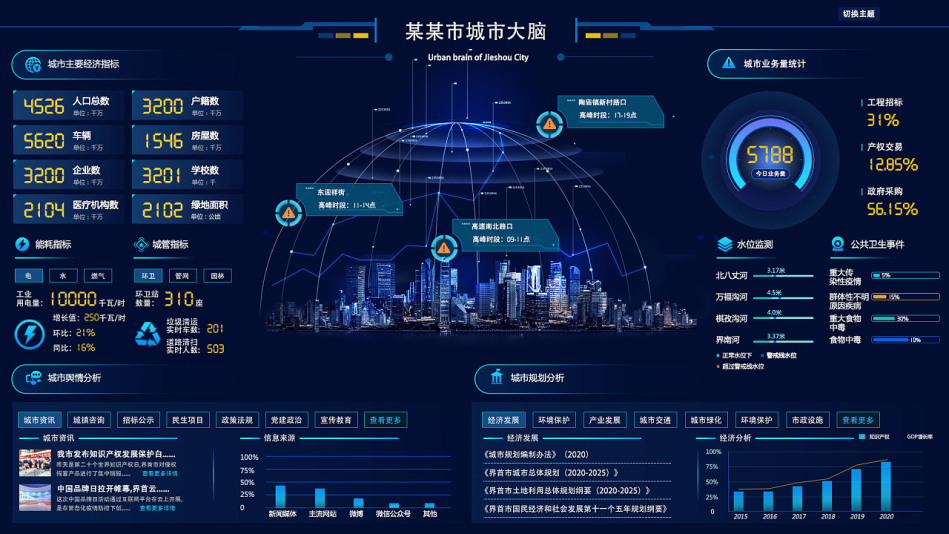
Discussion on the Application of Modbus IoT Platform in Smart Cities
With the development of smart cities, the deep integration of IoT technology with urban planning, management, and services has become a trend. Among them, Modbus, as a mature communication protocol, plays a crucial role in the IoT platform, facilitating the realization of smart cities.
1. Traffic Management and Control
Using the Modbus IoT platform, smart cities can achieve real-time monitoring of traffic flow, automatically control traffic lights, and optimize traffic routes, thereby alleviating traffic congestion and improving travel efficiency.
2. Urban Energy Management
Modbus IoT technology enables cities to monitor and control energy use in real time, such as smart lighting and smart grids, thereby achieving energy conservation and efficient use.
3. Public Safety and Surveillance
Through the Modbus IoT platform, data from various sensors and cameras can be collected and analyzed in real time, enabling timely detection and response to public safety hazards, ensuring the safety of citizens' lives and property.
4. Garbage Disposal and Recycling
Smart trash cans and recycling bins can send data to the central management system in real time, enabling cities to collect and dispose of garbage more efficiently, while also promoting the practice of circular economy.
5. Public Services and Convenience for Citizens
Modbus IoT technology is also applied in public service fields such as public transportation, tap water, and natural gas, providing citizens with more convenient and efficient services.
6. Monitoring and Maintenance of Urban Facilities
Using the Modbus IoT platform, cities can conduct real-time monitoring of important facilities such as bridges, tunnels, and buildings, promptly identifying and addressing potential safety hazards.
7. Ecological Environment Monitoring
Through Modbus IoT technology, cities can monitor air quality, water quality, soil conditions, etc. in real time, providing strong data support for environmental protection and governance.
In summary, the application of the Modbus IoT platform in smart cities has brought revolutionary changes to urban management and services, making cities more intelligent, efficient, and livable. With the continuous development and innovation of technology, we have reason to believe that the application of Modbus IoT technology in smart cities in the future will be more in-depth and extensive.


Leave a Reply