
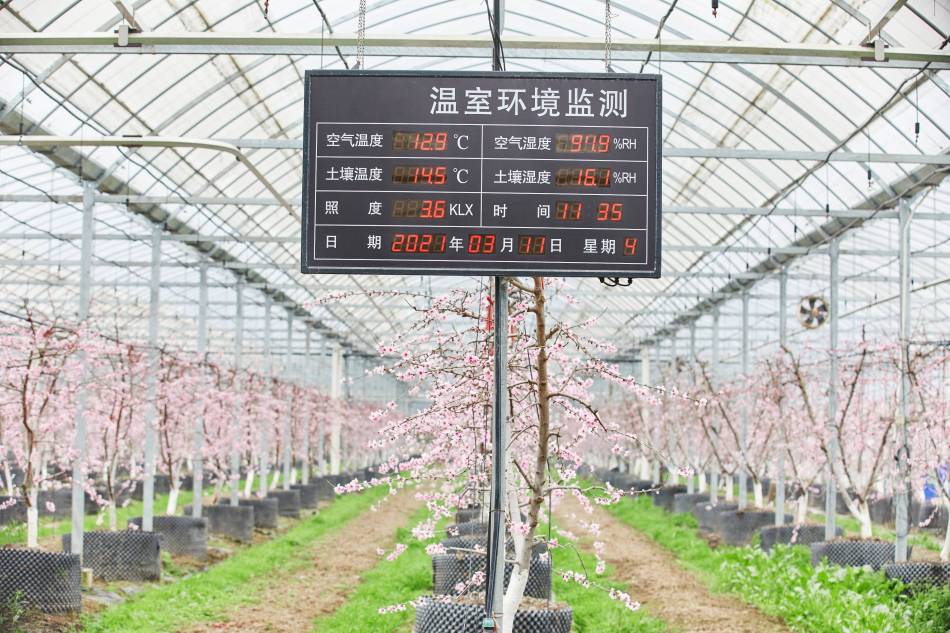
The smart greenhouse system, based on the Modbus IoT platform, uses various highly sensitive sensors to remotely monitor various parameters of the crop growth environment in real time, including air temperature and humidity, soil moisture, soil moisture, soil fertility, soil pH value, etc. Guided by the cultivation technology of crops, this system uses the edge computing technology of the platform to realize automatic irrigation, roller shutter control, spraying, fertilization and pesticide spraying, so as to ensure that crops thrive in a suitable growth environment. This not only improves the quality and yield of crops, but also brings opportunities for farmers to increase their income.
Communication architecture:The smart greenhouse system adopts the Modbus IoT platform to achieve monitoring and remote control of greenhouse environment and soil moisture data. This platform not only supports multiple communication methods such as Ethernet, WIFI, 4G, and 5G, but also allows users to freely choose communication methods according to their actual situation. In addition, the system provides on-site touch screens or LED displays, as well as remote monitoring software such as web platforms, PC software, Android and Apple apps, making it convenient for users to view and control the situation inside the greenhouse at any time.
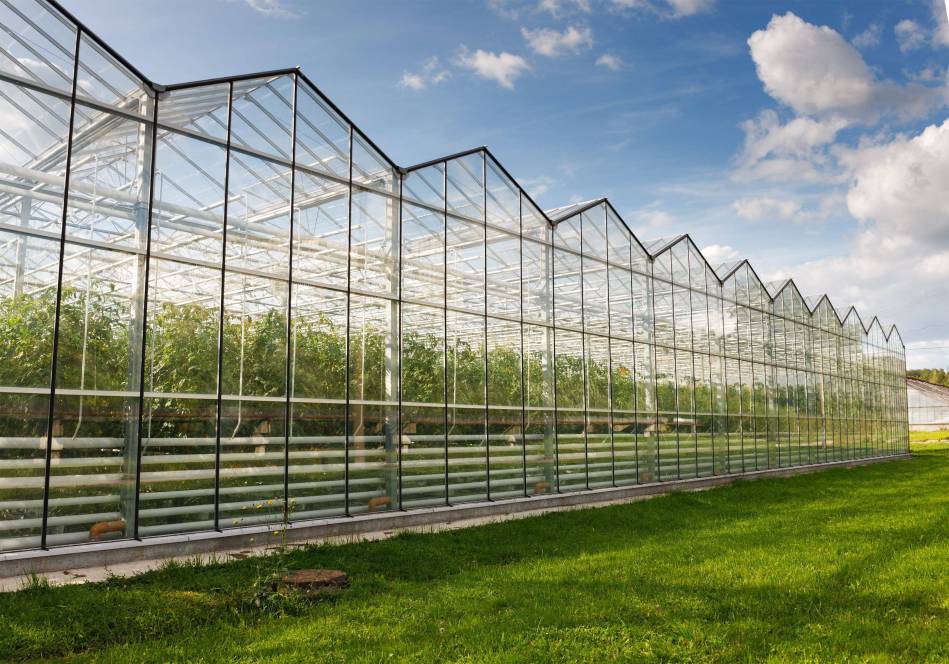
Function features:
- Greenhouse environment monitoring:Real time monitoring of temperature, humidity, CO2 concentration, light intensity and other parameters inside the greenhouse through IoT sensors, using Modbus IoT platform for monitoring.
- Soil moisture monitoring:Achieve all-weather and uninterrupted soil moisture monitoring, and quickly warn of abnormal situations.
- Control output:Control of greenhouse environment control equipment can be achieved through cloud remote control, local manual button control, or local touch screen.
- Irrigation control:Use the edge computing function to realize intelligent irrigation control in the greenhouse, including fixed point, fixed time, weekly circulation, rotation irrigation and automatic irrigation according to humidity and other parameters.
- Integrated Water and Fertilizer Control:Automatic allocation of nitrogen, phosphorus, potassium fertilizers, and various nutrient solutions, monitoring of pH and EC parameters in water pipelines, remote monitoring and regulation.
- Automatic Rolling Shutter Control:Control the film/blanket motor based on temperature, humidity, and outdoor weather data to achieve automatic or timed control, while providing real-time alarm function.
- Automatic supplementary light control:Based on the light sensor and light intensity data, the supplementary light is automatically or manually controlled to ensure that crops receive sufficient photosynthesis when there is insufficient light.
- Intelligent ventilation control:Automatically turn on or off the circulating fan and fresh air ventilator based on humidity and carbon dioxide concentration, and can also be remotely controlled.
- Intelligent CO2 regulation:Monitoring of CO2 concentration inside the greenhouse, automatic control of CO2 generator and gas cylinder to promote crop growth.
- Video surveillance:Support access to network cameras, allowing real-time viewing of device status and crop growth through a video monitoring interface.
- Data storage and analysis:The system automatically records and saves the collected environmental parameter data, combined with the edge computing function of the Modbus Internet of Things platform, to provide data analysis and improvement basis for crop cultivation technology.
- Seasonal mode:Customize seasonal modes according to different seasons and crop requirements to automatically regulate the growth environment of crops.
The smart greenhouse system is the future of modern agriculture, which elevates agricultural production to a whole new level. Through technological means, it provides farmers with better tools and resources to increase their yield and income. This system not only helps improve the quality and safety of agricultural products, but also plays an important role in promoting sustainable agricultural development.


Leave a Reply