
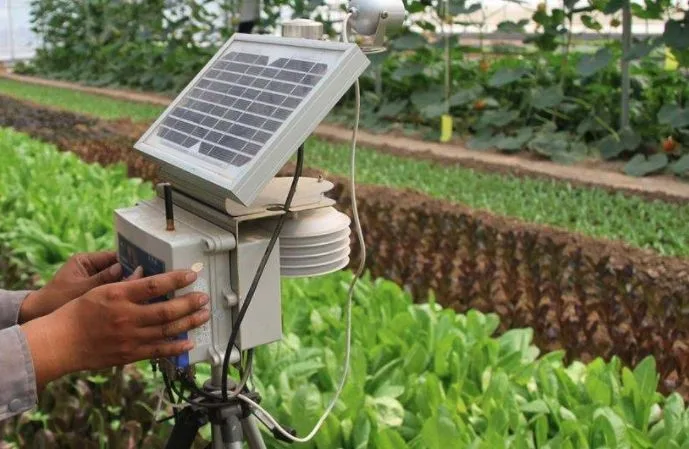
1. Construction of Agricultural Digital Network
In today's agricultural ecology, the Internet of Things and digital technology are rapidly penetrating. Traditional agricultural monitoring, which used to rely on intensive labor and time, has now been simplified by IoT technology. Various sensors, such as those used to measure soil moisture, plant growth status, and devices used to track livestock location and health, provide valuable real-time information for farmers. Furthermore, intelligent irrigation systems have begun to be applied, which automatically adjust water supply according to the actual needs of the soil.
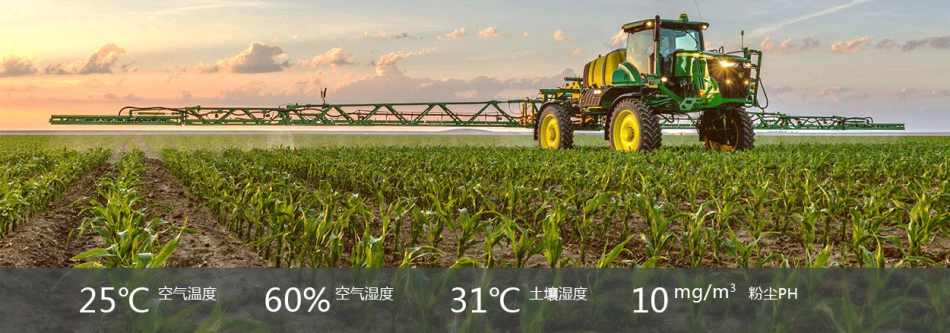
2. Mechanization of Agriculture and Robotics Technology
With the rise of labor costs and the instability of labor supply, robots and automation equipment have gradually become new regulars in modern farmland. These robots can not only perform basic tasks such as planting and harvesting, but also more complex tasks such as identifying and removing weeds, or accurately spraying pesticides and fertilizers. In animal husbandry, automated feeding and milking systems are gradually replacing traditional methods.
3. AI assisted intelligent agricultural decision-making
AI technology has brought unprecedented decision support to agriculture. By analyzing a large amount of data, AI can help farmers predict weather changes, outbreaks of pests and diseases, and even fluctuations in market prices. Furthermore, the health status of plants and livestock can also be diagnosed early through AI algorithms for timely intervention.
4. The role of biotechnology in agriculture
With the advancement of biotechnology, we have been able to more accurately modify the genes of plants and animals to meet specific needs. Gene editing techniques, such as CRISPR, enable scientists to introduce disease resistant, insect tolerant, or high-yielding traits into specific varieties. In addition, biopesticides and biofertilizers are gradually replacing chemical products, which not only reduces environmental pollution but also enhances the sustainability of agricultural products.
5. Precision Agriculture and Resource Optimization
The optimal use of resources in agricultural production has become a core issue. With the help of high-precision GPS and geographic information systems (GIS), farmers can accurately measure land, apply fertilizers and pesticides. Through this approach, we can ensure that every piece of land is properly treated, thereby increasing yield and reducing waste.
6. Application of unmanned aerial vehicles in agriculture
Drones are gradually becoming a key tool for agricultural monitoring. Drones equipped with multiple sensors can efficiently collect image information of fields, helping farmers detect pests and diseases, evaluate crop growth, and even measure soil moisture content. In addition, drones also play a role in animal husbandry, such as helping farmers monitor and manage livestock released on large grasslands.
7. Data driven agricultural management
With the popularization of big data and cloud computing technology, modern agriculture is increasingly relying on data for decision-making. Various agricultural related data, such as soil testing, climate models, and market trends, can now be integrated into a unified platform for farmers to analyze and make decisions.
8. Agricultural Innovation in Controlled Environments
With global climate change and accelerated urbanization, controlled environment agriculture (such as vertical agriculture and hydroponics) is gradually receiving attention. These methods allow for crop cultivation in non-traditional agricultural environments, such as urban buildings or harsh climate areas, resulting in higher yields and resource efficiency. Compared with traditional agricultural methods, regenerative agriculture focuses on soil health, biodiversity, and ecosystem restoration. This method emphasizes the use of natural methods, such as covering crop and farmland biodiversity, to restore soil, store carbon, and promote farmland health.
9. Regenerative Agriculture and Ecological Balance
Compared with traditional agricultural methods, regenerative agriculture focuses on soil health, biodiversity, and ecosystem restoration. This method emphasizes the use of natural methods, such as covering crop and farmland biodiversity, to restore soil, store carbon, and promote farmland health.
10. The combination of 5G and agricultural digitization
The high-speed and low latency characteristics of 5G technology have brought revolutionary changes to agriculture. From remote control of agricultural machinery to real-time data upload and download, 5G provides unprecedented connectivity capabilities for agricultural IoT devices. Farmers can respond more quickly to changes and further achieve agricultural automation and intelligence. These trends indicate that with the advancement of technology, agriculture is moving towards a more intelligent, sustainable, and efficient direction. In the future, these technologies will not only help improve crop yield and quality, but also have a profound impact on global food safety and ecological environment.
These trends indicate that with the advancement of technology, agriculture is moving towards a more intelligent, sustainable, and efficient direction. In the future, these technologies will not only help improve crop yield and quality, but also have a profound impact on global food safety and ecological environment.


Leave a Reply