
Introduction: The combination of the Internet of Things and modern agriculture
With the rapid advancement of technology, the Internet of Things has penetrated into every corner of our daily lives, and the various applications and services it brings have changed people's way of life. Agriculture, as one of the oldest industries in the world, has not escaped the wave of technological change. Combining modern agricultural technology, the Internet of Things has brought unprecedented opportunities and challenges to this traditional industry. Especially in the field of greenhouse vegetable cultivation, its application has become increasingly widespread.
2. The main applications of IoT technology in smart agriculture
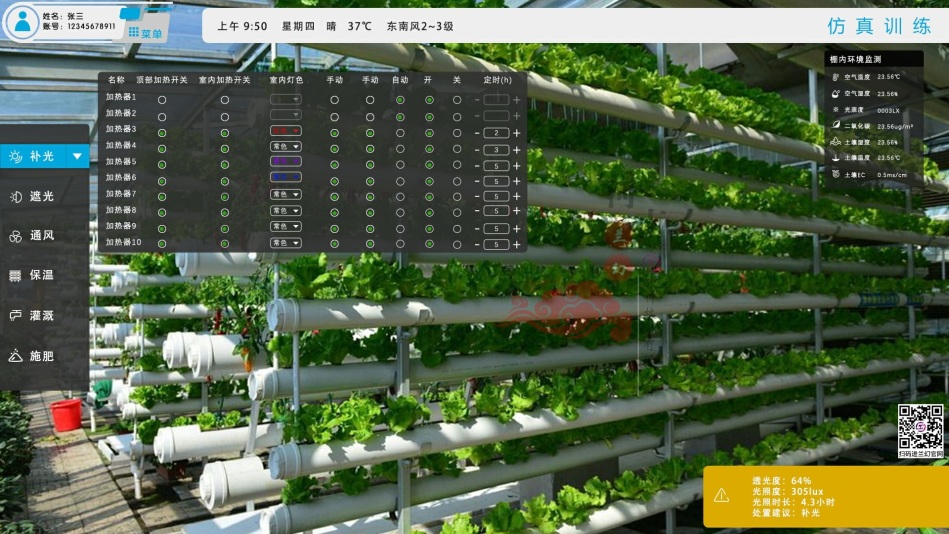
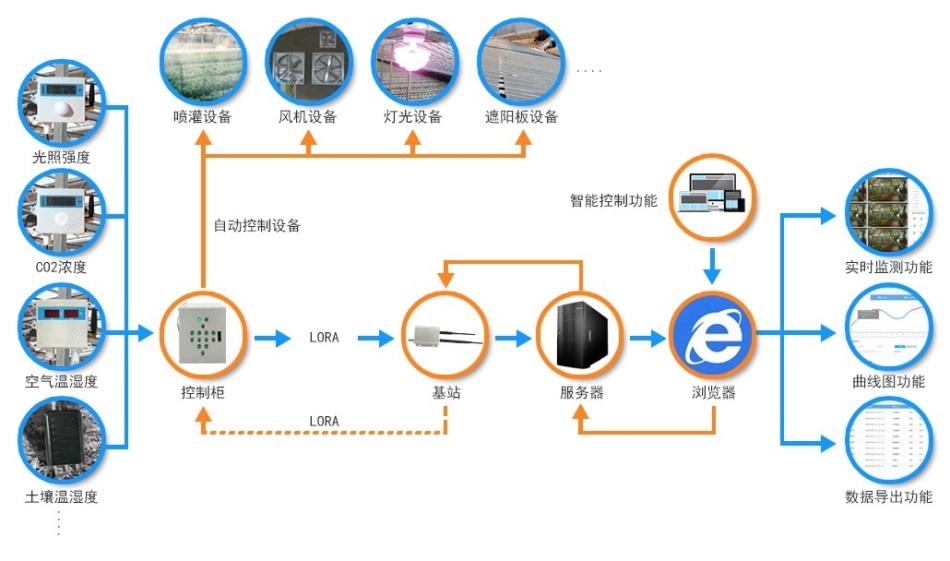
- environmental monitoring: By deploying various sensors such as temperature, humidity, light, CO2 concentration, etc., farmers can monitor environmental changes in greenhouses in real time and make adjustments. These data can not only help farmers better understand the growth environment of crops, but also provide data support for them, making adjustment strategies more accurate.
- Intelligent Irrigation: Traditional irrigation methods often result in significant waste, while IoT technology can intelligently control irrigation systems based on data from soil moisture sensors, ensuring that crops receive just the right amount of water. This not only saves water resources but also improves crop yield and quality.
- Disease and pest warning: Through IoT technology, farmers can deploy disease and pest monitoring sensors. Once abnormalities are detected, the system will issue timely warnings to help farmers take measures to reduce pesticide use and ensure the safety and health of agricultural products. In the past few years, we have seen a deep integration of IoT technology with modern agriculture. For example, the widespread use of drones has changed the way agriculture is planted, monitored, and harvested. By using drones equipped with various sensors, farmers can quickly obtain real-time data on large areas of farmland, which not only greatly improves work efficiency but also ensures the healthy growth of crops.
3. The trend of integration between the Internet of Things and smart agriculture
In the past few years, we have seen a deep integration of IoT technology with modern agriculture. For example, the widespread use of drones has changed the way agriculture is planted, monitored, and harvested. By using drones equipped with various sensors, farmers can quickly obtain real-time data on large areas of farmland, which not only greatly improves work efficiency but also ensures the healthy growth of crops.
4. Advantages brought by Internet of Things technology
- Data Driven Decision Making: IoT technology provides farmers with a large amount of real-time data, thereby helping them make data-driven decisions. These decisions are more precise than traditional experience driven decisions, thereby improving crop yield and quality.
- Reduce Resource Waste: Through IoT technology, farmers can more accurately control the use of resources such as water, fertilizer, pesticides, etc., ensuring that every drop of water and every seed receives maximum value.
- Improving Agricultural SustainabilityIoT technology can help farmers achieve more sustainable agricultural practices. For example, intelligent irrigation systems can reduce the waste of water resources, while pest and disease warning systems can reduce the use of pesticides.
5. Challenges Faced
Although the application of the Internet of Things in agriculture has brought many advantages, it also faces some challenges.
- technical challengeThe application of IoT technology in agriculture is still a technology driven field that requires a lot of research and innovation to solve practical application problems.
- Data Security and PrivacyWith the generation of a large amount of data, how to ensure the security and privacy of data has become an urgent problem to be solved.
- Cost issueAlthough IoT technology can bring long-term benefits to agriculture, its initial investment cost remains a significant challenge.
6. Conclusion
The combination of IoT technology and modern agriculture is changing the face of agriculture. It has brought unprecedented opportunities to agriculture, but also challenges. But undoubtedly, with the further development and application of technology, smart agriculture will create a greener, more efficient, and sustainable future for us.


Leave a Reply