
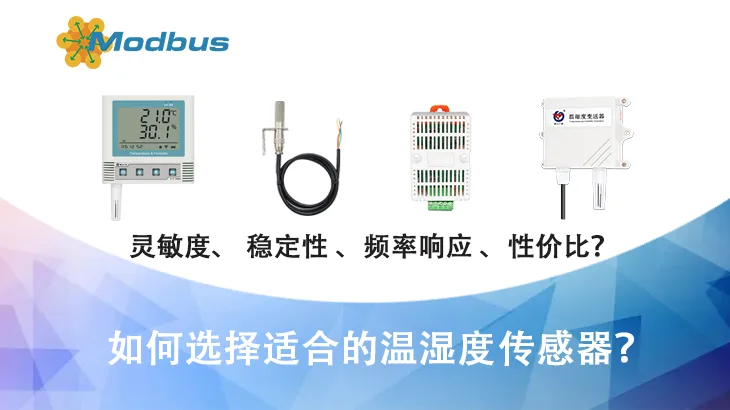
Temperature and humidity sensors are one type of sensor among many. After measuring the temperature and humidity in the air through a certain detection device, it is converted into electrical signals or other required forms of information output according to certain rules to meet the needs of users
Due to the close relationship between temperature and humidity and physical quantities as well as temperature and humidity in real life, there are many types of sensors that combine temperature and humidity together. Temperature and humidity sensors refer to equipment or devices that can convert temperature and humidity into electrical signals, and are easy to detect and dispose of.
Frequency response characteristics
The frequency response characteristics of temperature and humidity sensors determine the frequency range of measurement, and it is necessary to maintain undistorted measurement conditions within the allowable frequency range. In fact, the response of sensors always has a certain delay, and the longer the delay time, the worse it is. The high frequency response of sensors results in a wide frequency range for measurable signals. Due to the influence of structural characteristics, mechanical systems have high inertia, and the measurable signal frequency of low-frequency sensors is low. In dynamic measurement, response characteristics should be based on signal characteristics (steady-state, transient, random, etc.) to avoid errors.
linear range
The linear range of a temperature and humidity sensor refers to the range where the input and output are directly proportional. In theory, within this range, the sensitivity remains unchanged. The wider the linear range of the sensor, the larger its range and ensure a certain level of measurement accuracy. When selecting a sensor, the first thing to consider is whether its range meets the requirements.
Determine the type of sensor based on the measurement object and measurement environment
To carry out a specific measurement work, the first step is to consider which principle of temperature and humidity sensor to use, which requires analyzing multiple factors before determining. Because even when measuring the same physical quantity, there are multiple principle sensors available for selection. Which principle sensor is more suitable depends on the characteristics of the measured object and the usage conditions of the sensor, taking into account the following specific issues: the size of the measuring range; Requirements for sensor volume at the measured location; Is the measurement method contact or non-contact; The method of signal extraction, wired or non-contact measurement; The source of the sensor, whether it is domestically produced or imported, whether the price is affordable, or self-developed. Generally speaking, within the linear range of temperature and humidity sensors, the higher the sensitivity of the sensor, the better. Because only when the sensitivity is high, the output signal value that matches the measurement change is relatively large, which is helpful for signal processing. However, it should be noted that sensors have high sensitivity, and external noise unrelated to measurement can easily mix in and be amplified by the amplification system, affecting measurement accuracy. Therefore, it is recommended that the sensor itself has a high signal-to-noise ratio and minimize the interference signals introduced from the outside as much as possible. The ability of a temperature and humidity sensor to maintain its performance after a period of use is called stability. In addition to the structure of the sensor itself, the main factor affecting the long-term stability of the sensor is the usage environment of the sensor. Before selecting a sensor, it is necessary to investigate the usage environment and choose a suitable sensor based on the specific usage environment, or take appropriate measures to reduce environmental impact. The stability of sensors has quantitative indicators. After exceeding its service life, the sensor should be recalibrated before use to determine if its performance has changed.
Sensitivity selection
Generally speaking, within the linear range of temperature and humidity sensors, the higher the sensitivity of the sensor, the better. Because only when the sensitivity is high, the output signal value that matches the measurement change is relatively large, which is helpful for signal processing. However, it should be noted that sensors have high sensitivity, and external noise unrelated to measurement can easily mix in and be amplified by the amplification system, affecting measurement accuracy. Therefore, it is recommended that the sensor itself has a high signal-to-noise ratio and minimize the interference signals introduced from the outside as much as possible.
Stability
The ability of a temperature and humidity sensor to maintain its performance after a period of use is called stability. In addition to the structure of the sensor itself, the main factor affecting the long-term stability of the sensor is the usage environment of the sensor. Before selecting a sensor, it is necessary to investigate the usage environment and choose a suitable sensor based on the specific usage environment, or take appropriate measures to reduce environmental impact. The stability of sensors has quantitative indicators. After exceeding its service life, the sensor should be recalibrated before use to determine if its performance has changed.
Selection suggestions for temperature and humidity sensors
1. Cost effectiveness. When choosing a temperature and humidity transmitter, one should choose a cost-effective product rather than a low-priced one. If we only focus on price, we will encounter issues with lifespan, maintenance, and inspection during use, which will greatly increase costs.
2. Quality reliability. At the same time, the quality of the product should also be judged by examining the manufacturer's entry standards and quality appraisal certificates; The reliability of the product can also be determined by comprehensive factors such as the popularity, brand, and reputation of the temperature and humidity sensor manufacturer.
3. Adaptability. When choosing a transmitter, one should consider their actual situation and usage environment to determine which product to choose. Adaptability factors need to be fully considered.
4. Maintainability. Temperature and humidity sensors require regular inspection, updating, replacement, and repair. Which industries have a demand for temperature and humidity sensors?
Which industries have a demand for temperature and humidity sensors?
Food Industry: Temperature and humidity are crucial for food storage. Changes in temperature and humidity can cause food spoilage and lead to food safety issues. Monitoring temperature and humidity is beneficial for relevant personnel to control in a timely manner.
Archive management: Paper products are extremely sensitive to temperature and humidity, and improper storage can seriously reduce the shelf life of archives. With temperature and humidity transmitters equipped with exhaust fans, dehumidifiers, and heaters, stable temperatures can be maintained to avoid pest infestations, moisture, and other issues.
Greenhouse: The growth of plants requires extremely strict temperature and humidity requirements. Improper temperature and humidity can cause plants to stop growing or even die. By using temperature and humidity sensors, combined with gas sensors, light sensors, etc., a digital greenhouse temperature and humidity monitoring system can be formed to control the relevant parameters inside the agricultural greenhouse, thereby achieving the ultimate efficiency of the greenhouse.
Animal farming: Various animals exhibit different growth states at different temperatures, and the goal of high quality and high yield depends on a suitable environment to ensure.
Drug storage: According to relevant national requirements, drug storage must be controlled according to the corresponding temperature and humidity. According to the latest GMP certification, the temperature storage range for general drugs is 0-30 ℃.
Tobacco industry: Tobacco raw materials need to control temperature and humidity during the fermentation process. Wireless temperature and humidity sensors can be used to monitor temperature and humidity in convenient on-site environments. In complex environments, digital temperature and humidity sensors such as RS-485 can be used to detect and control the temperature and humidity of cigarette packs to avoid pest infestations. Improper operation can cause significant loss of raw materials.
Industrial control industry: mainly used for HVAC, computer room monitoring, etc. The environmental control in buildings is usually temperature control, and there is increasing attention to achieving the best comfortable environment by controlling humidity.


Leave a Reply