
Introduction
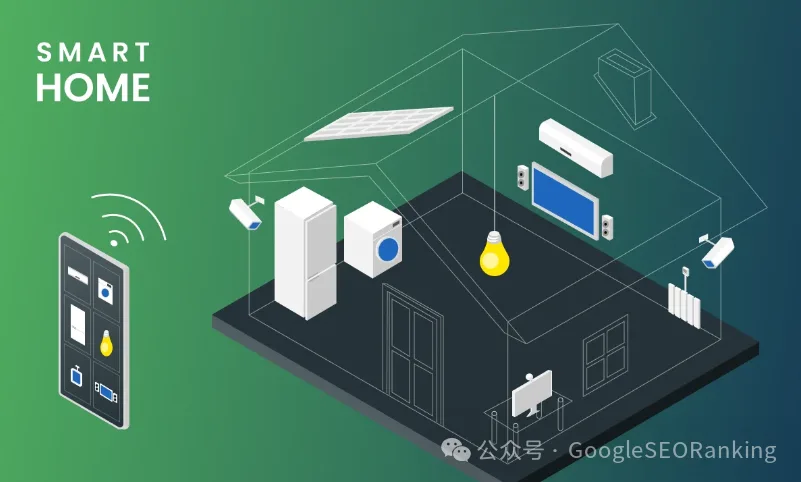
The Internet of Things (IoT) is a term used to describe the growing network of interconnected devices. These devices range from simple objects such as light bulbs and thermostats to more complex machines like cars and airplanes.
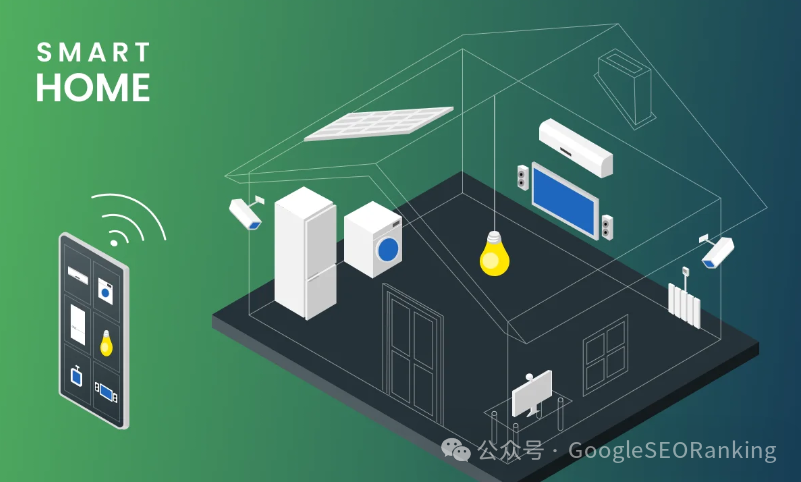
The potential of the IoT is immense, and businesses are beginning to take notice. It is currently projected that IoT spending will reach $1.1 trillion by 2023, with the smart home market alone accounting for over $125 billion.
Before embarking on IoT development, it is essential to understand the fundamentals of IoT projects.
- IoT projects differ from conventional IT projects in several ways:
- Since IoT devices are built using both hardware and software components, IoT projects require profound expertise in both fields.
- Hardware and software are developed concurrently, so errors in either area can have serious consequences.
- IoT projects require different types of testing and validation processes. The complexity of IoT devices means that there is a greater likelihood of issues arising during development and deployment.
- Traditional IT projects are typically planned, designed, developed, tested, and deployed within a relatively short timeframe.
- The scope of IoT projects may be broader, with devices being continuously added and changed. This means that project management and development processes must be able to adapt to dynamic changes.
- One of the most important aspects of IoT projects is security. With so many devices connected to the internet, ensuring your data is protected from attacks is more crucial than ever.
Despite these challenges, the potential benefits of the IoT make it well worth the effort. This article will outline the steps required to initiate an IoT project and highlight any risks you may face.
1. Where to Start?
When developing software, it is crucial to clearly document your requirements. This ensures that the development team fully understands what you are seeking in your design and implementation efforts, so they can easily meet all requirements while staying within budget constraints!
The first step towards achieving this goal is to create a Software Requirements Specification (SRS) document. This document should detail the features and functionalities of the software you are looking for, as well as its intended purpose. If you need a template to help you start creating an SRS for your IoT project, feel free to contact us.
Once the SRS is complete, you need to start considering which devices or platforms you will need to use to implement your idea. If you have a good understanding of your target audience and their needs, this process will be much easier. By collaborating with an IT vendor who has skills in this area, you are more likely to succeed. We discussed finding the right IT vendor in the previous article, so if you're unsure where to start, this is a good place to begin.
Based on your SRS, the vendor you choose can work with you to determine if your idea is feasible. Next, you will develop a prototype and test it with your target audience. This will help you determine if your idea is suitable for the larger commercial market. After that, you can start developing the actual product.
2. What is the IoT project development process?
To ensure smooth project development without any issues, it is important to go through the Research and Development (R&D) phase. The R&D phase helps ensure confidence in your design and specifications, and identifies potential issues that can be addressed with additional time or resources early on.
Successful design begins with understanding its requirements, rather than creating something just to start!
As part of this process, there are four main stages to consider, including the following:
2.1 Investigation
In the investigation step, the vendor will help you choose the platform and tools that are most suitable for your needs, based on your goals and objectives. This includes the selection of frameworks as well as underlying platforms and tools.
Software:
When selecting software for an IoT project, ensure that you choose scalable software that can handle increased traffic as the project evolves. You also need to look for software that has broad support for various devices and can easily accommodate new devices.
Connection method:
What kind of connection does your IoT device require? Is it Wi-Fi, Ethernet, USB, or Bluetooth? Will this change as your company expands? These factors should be carefully considered, as they may affect the success of your product.
Framework:
The choice of framework can significantly impact the entire development process, so it is important to research several options before making a final decision on how to set up. To make this decision, consider previous successful IoT projects and frameworks where they have been used. The right framework will grow with you and serve you well for the future.
Hardware:
The hardware you choose for your IoT project will depend on the sensors and devices you need to connect. Be sure to select a platform that has broad support for various devices and can easily accommodate new devices.
Does the development kit used when prototyping make a difference? Indeed, it does. Let's look at the differences between the three most well-known ones.
| Features | Raspberry Pi | Arduino | LattePanda |
|---|---|---|---|
| Definition | Raspberry Pi is a single-board computer the size of a credit card. It displays all data on a monitor, and you can operate it using a standard keyboard and mouse. | Arduino is a microcontroller board. Essentially, it is a simple computer that can run only one program at a time. Its greatest advantage is that it is very easy to use. | Single-board computer. It is conceptually similar to Raspberry Pi, but its price is significantly higher, and it runs Intel processors instead of ARM. It can run Windows 10 or Linux. |
| Connectivity | It can connect to Bluetooth and the Internet (via Ethernet or Wi-Fi). | Arduino uses additional expansion boards to connect to Bluetooth and the Internet. | Both Bluetooth and the Internet (via Ethernet or Wi-Fi) are possible connections. |
| Programming languages | Python, C, C++, Java, Scratch, and Ruby | C, C++ | Python, C, C++, Java, Scratch, and Ruby |
| Scope of use | Intensive computation, executing multiple tasks. | Simple and repetitive tasks (such as reading environmental data and posting it on social media pages, opening and closing doors, etc.) | Intensive computation, executing many tasks simultaneously. |
| Price | $35-40 | $10-20 | $130 - 500 |
2.2 Proof of Concept
Once the tools are in place, development can begin. You need to create prototypes and test them with different stakeholders to obtain feedback. By doing this early on, you can identify potential issues and correct them before they become prohibitively expensive.
Your proof of concept or POC needs to demonstrate that your "idea is feasible" and that it will be a practical choice for your business. If it is a new technology or service, you need to ensure there is a market for it. You don't want to spend months or years developing a product that no one is willing to buy.
2.3 Prototype Design
Assuming the POC is successful, you need to seriously begin development. This will involve creating detailed designs and specifications, and collaborating with the development team to ensure everything is considered.
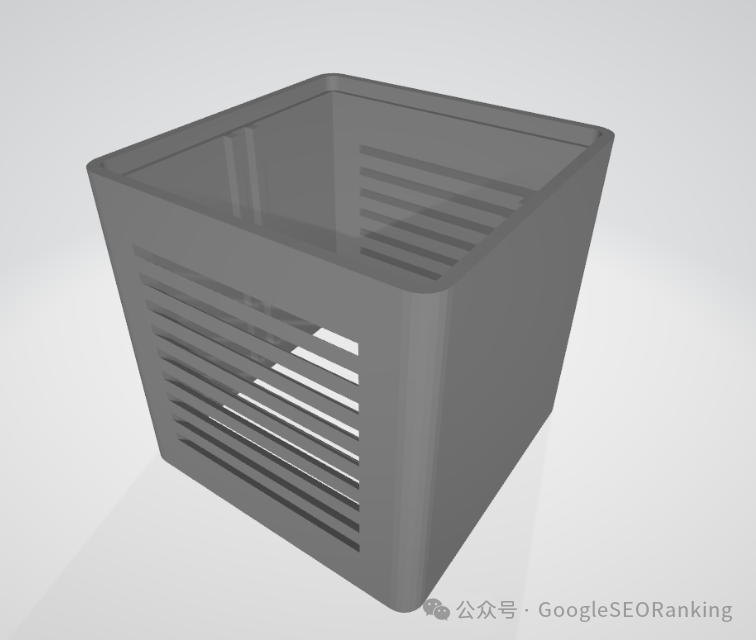
*Indeema Software's UBreez box prototype
When building a prototype, you need to ensure that it addresses the following areas:
- Providing value: The prototype needs to provide value to the customer or business in some way. It could be improving efficiency, saving costs, enhancing user experience, or something else.
- MVP: The prototype does not need to meet all the requirements outlined in the SRS document. At this early stage, you can build a minimum viable product, or MVP, to demonstrate the main features of the final product.
- Usability: Ensure the usability of the test prototype. This is especially important if you are building a consumer-facing product.
- Security: The prototype must be able to withstand attacks and unauthorized access.
- Testable: The prototype must be easy to test and debug.
2.4 Project Specifications
A detailed requirements document includes all the necessary information to understand what your team needs to meet the customer's expectations.
This is an overall overview of how to develop and manage an IoT project. There are more steps, but they provide ideas for what you should achieve in the early stages of the project.
3. What risks may be faced in the early stages of the project?
The development process can be long and arduous, but it is crucial to take the time to do it right. If you take shortcuts, you may end up with a product that cannot meet your needs or expectations.
Indeema Software, leveraging its experience in the field, has eliminated significant risks, ensuring that your project is completed on time. However, for clients who are new to software development, it is important to understand some of the risks.
3.1 Incompetent experts or unsuitable teams
Future-proof design begins with comprehensive UI/UX design for future users. If the selected company or individual has limited skills, their inexperience may lead to substandard design or implementation.
3.2 Inaccurate project structure and inefficient processes
IoT projects are often complex, with many different components that need to work together. Without a comprehensive understanding of the project structure, it can be difficult to track individual tasks and their dependencies. As a result, the project quickly becomes inefficient and even difficult to manage.
3.3 Poor communication
This is perhaps the most common issue in software development. Clients often lack clarity on what they want or what needs to be changed during the development process. This can lead to misunderstandings and costly delays.
3.4 Neglecting security
Security should always be a top priority when developing software, but it is particularly important in IoT projects. Hackers are increasingly targeting connected devices, so protecting your data and infrastructure is crucial. In an upcoming article, we will introduce how our team ensures the security of IoT projects. Sign up for updates to learn more!
These are just some of the most common mistakes made by businesses starting IoT projects. By avoiding these mistakes, you will increase your chances of success and avoid costly setbacks.
Conclusion
The challenge faced by most businesses is that they do not have the in-house expertise to undertake IoT projects from start to finish. This is where our team can help.
We possess extensive experience in all facets of IoT development, spanning from strategy and planning to execution and delivery. We are more than happy to discuss your specific needs and explore how we can assist. Simply reach out to us, and we'll get started.


Leave a Reply