
I. Introduction
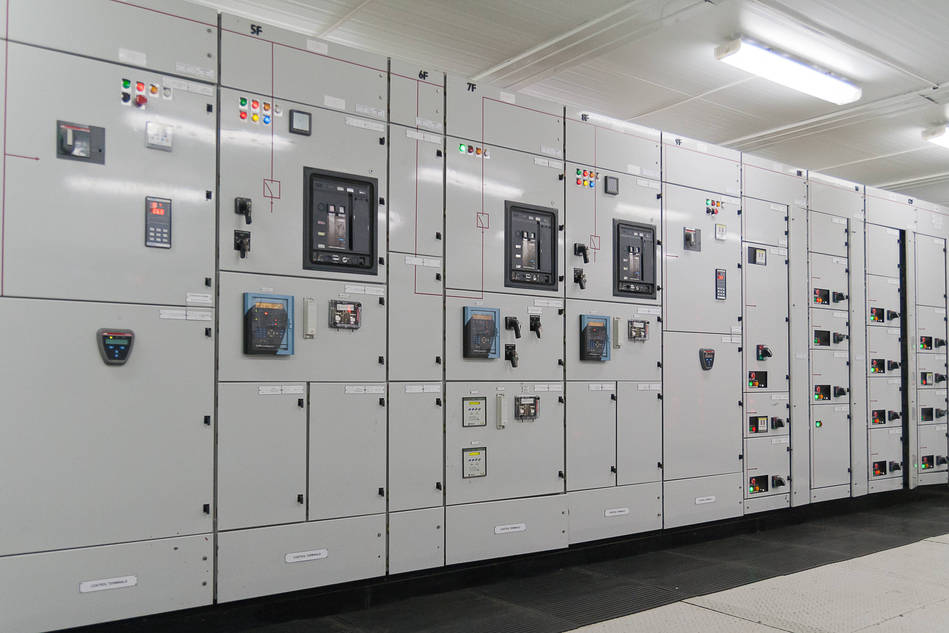
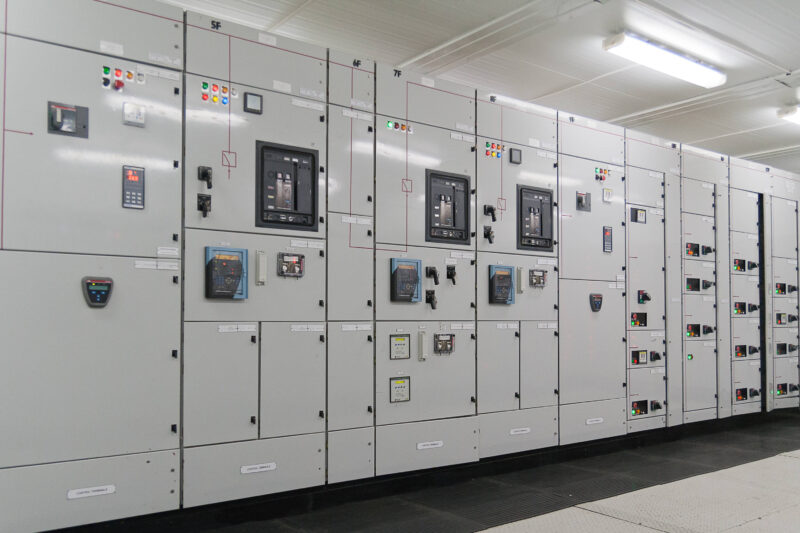
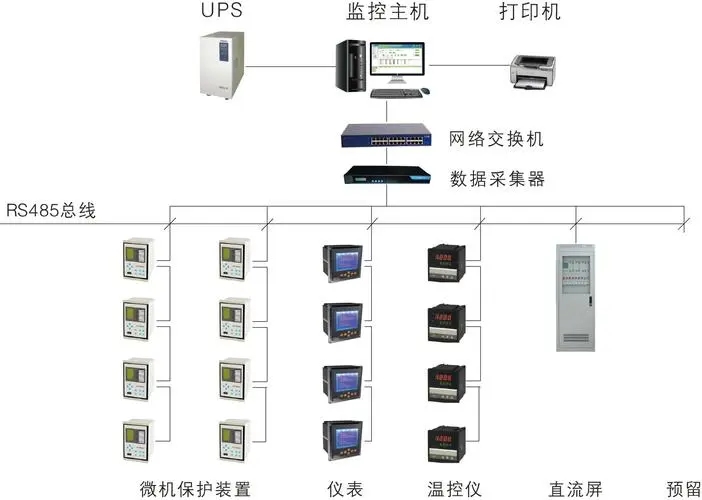
The distribution monitoring system is a comprehensive system that integrates monitoring, control, protection, and communication. It mainly consists of six functional modules: distribution network operation monitoring, load monitoring, power quality monitoring, substation monitoring, power communication, and data management. It achieves comprehensive monitoring and management of the distribution network and power equipment.
2, Function Introduction
Distribution network operation monitoring
Real time monitoring of power grid operation status, including voltage, current, power, temperature, switch status, and other information.
provides a distribution network operation report, including indicators such as voltage qualification rate, line coverage rate, and power supply reliability. Implement fault warning for distribution network equipment failures, power outages, and other situations in a timely manner.
Implement fault warning to promptly alert and handle equipment failures, power outages, and other situations in the distribution network.
Load Monitoring
Real time monitoring of the distribution network and user load status, including load distribution, load changes, load forecasting, and other information.
Provide load monitoring reports, including indicators such as electricity consumption and power supply reliability.
supports load control, automatically adjusts the power supply mode according to load changes, and ensures power supply reliability.
Power Quality Monitoring
Real time monitoring of power quality, including voltage, current, power factor, harmonics, waveform distortion rate, and other information.
Provide power quality analysis reports, including indicators such as voltage qualification rate, current imbalance rate, and voltage fluctuation rate.
Realize power quality analysis and control, and provide timely warning and handling of power quality issues.
Substation Monitoring
Real time monitoring of substation operation status, including equipment status, electrical parameters, communication status, and other information.
Provide substation monitoring reports, including indicators such as equipment operation status, electrical parameters, communication status, etc.
Supports remote control, enabling remote control and monitoring of substation equipment through communication interfaces.
Power Communication
Realize communication between various links of the distribution network, including the distribution network, substations, users, etc.
Support multiple communication protocols, including Modbus, TCP/IP, XML, etc., to achieve data transmission between different devices.
Support multiple communication methods, including remote phone calls, SMS, mobile apps, etc., to achieve real-time monitoring and control of users.
Data Management
Realize the statistics, analysis, and display of monitoring data, including indicators such as voltage qualification rate, current imbalance rate, and voltage fluctuation rate.
Support querying, statistics, and analysis of historical data to provide decision support for users.
Provide a web interface to achieve real-time display and management of monitoring data.
The distribution monitoring system solution can be widely applied in the following scenarios:
- Industrial park: The power supply in industrial parks is crucial for production activities, ensuring stable and reliable power supply, improving production efficiency, and reducing production costs.
- Enterprises and institutions: Important places such as office buildings and production workshops of enterprises and institutions require real-time monitoring of the distribution room to ensure electrical safety and improve energy utilization efficiency.
- Public buildings, such as schools, hospitals, libraries, and other public places, rely on stable power supply to provide users with a safe and comfortable environment.
- Commercial complexes: Shopping centers, office buildings, and other commercial complexes have strict requirements for power supply. Real time monitoring can be achieved through distribution monitoring systems to optimize energy use and reduce operating costs.
- Hotel catering: Hotels, restaurants and other places have high requirements for power stability and safety. The power distribution monitoring system can detect problems in the first time and handle them in a timely manner, ensuring the electricity needs of customers.
- Transportation: In important transportation hubs such as stations, subway stations, and airports, the stability of the power system will directly affect the normal operation of transportation. Timely monitoring and handling of abnormal situations is the key to ensuring transportation safety.
In short, the distribution monitoring system can achieve real-time monitoring, remote control, and fault alarm of electrical facilities, providing safe, efficient, and intelligent power solutions for various scenarios. Through diversified monitoring and real-time alarm functions, worry free electricity consumption can be achieved, effectively improving energy utilization efficiency and reducing operating costs.


Leave a Reply