
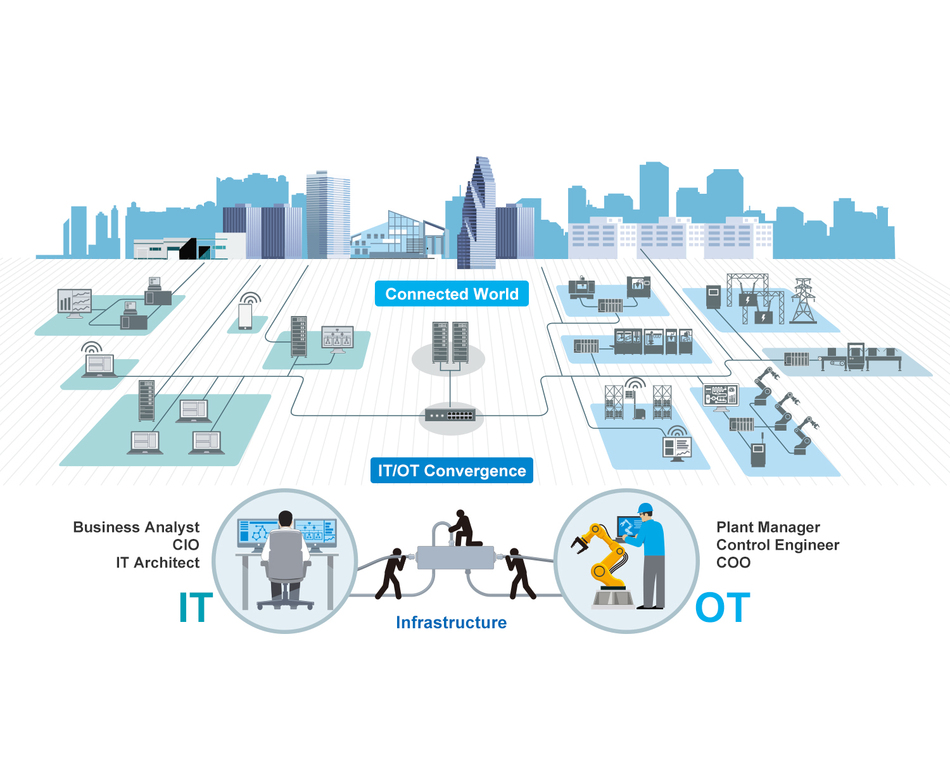
With the rise of Industry 4.0, the Industrial Internet of Things (IIoT) is rapidly transforming the field of industrial control and automation. By combining connected devices, data analysis, and artificial intelligence, IIoT offers new possibilities for improving production efficiency, reducing costs, and optimizing operations. This article will explore how IIoT is taking over traditional control systems such as SCADA and PLC, and analyze its key impact on digital transformation.
1. Introduction
1.1 Evolution of Industrial Control Systems
Looking back at the history of industrial control systems, we can see three major transformations: from mechanical control to electrical control, and now to digital control.
- Mechanical Control Era:Mainly relying on mechanical devices and instruments for control, it lacked flexibility and was difficult to achieve remote control.
- Electrical Control Era:Represented by Programmable Logic Controllers (PLC), it provided more flexible control but also suffered from issues such as data silos and poor interoperability.
- Digital Control Era:Represented by IIoT, it achieves smarter and more comprehensive industrial control and automation through connected devices, data analysis, and artificial intelligence.
1.2 Introduction to SCADA and PLC
- SCADA (Supervisory Control and Data Acquisition):Supervisory Control and Data Acquisition (SCADA) systems are primarily used in industries such as electricity, water conservancy, oil, and natural gas to monitor and manage production processes.
- PLC (Programmable Logic Controller):A programmable logic controller is a digital computing device used in industrial control that can perform logical operations, sequence control, timing control, counting control, and other operations according to a program.
2. How IIoT Takes Over SCADA and PLC
2.1 Scalability and Interoperability
- SCADA systemshave limited scalability, making it difficult to meet the growing demands for data volume and equipment quantity.
- IIoTOn the other hand, IIoT has inherent scalability, allowing for easy connection and management of a large number of devices, and supporting multiple protocols and standards for interoperability.
2.2 Data Analysis and Artificial Intelligence
- SCADA systemsare primarily used for data acquisition and monitoring, lacking in-depth data analysis capabilities.
- IIoTOn the other hand, IIoT can utilize big data analysis and artificial intelligence to achieve predictive maintenance and optimization of equipment status, production processes, and product quality.
2.3 Flexibility and Agility
- The architecture of the SCADA systemis relatively fixed, making it difficult to adapt to rapidly changing market demands.
- IIoT, on the other hand, possesses flexibility and agility, allowing for rapid deployment and application to meet personalized needs.
3. Impact of IIoT on Digital Transformation
3.1 Improving Production Efficiency
- IIoT can significantly enhance production efficiency by optimizing production processes, reducing downtime, and improving resource utilization.
3.2 Cost Reduction
- IIoT can assist enterprises in reducing operational costs, maintenance costs, and energy consumption, thereby enhancing profitability.
3.3 Optimizing Operations
- IIoT enables real-time monitoring and analysis of equipment and production processes, aiding enterprises in optimizing operational decisions and enhancing competitiveness.
3.4 Promoting Smart Manufacturing
- IIoT is one of the key technologies for smart manufacturing, which can drive the transformation and upgrading of the manufacturing industry and achieve intelligent production.
4. Conclusion
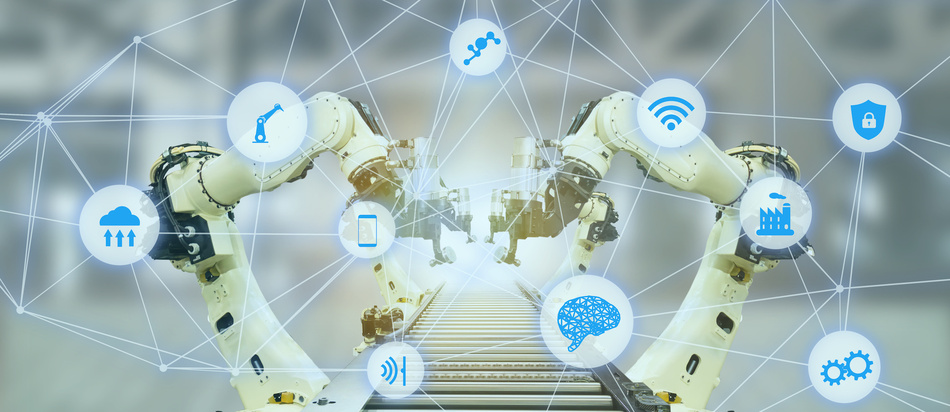
As a new generation of industrial control system, IIoT possesses significant advantages and potential, and will gradually replace traditional systems such as SCADA and PLC, becoming a key driving force for digital transformation and smart manufacturing.
5. Future Outlook
With the continuous development and improvement of IIoT technology, the future will be more intelligent, interconnected, and secure, and it will integrate with technologies such as 5G, cloud computing, and artificial intelligence, bringing greater transformation and innovation to the industrial sector.

Leave a Reply