
River level sensors are devices used to measure the water level height in rivers, lakes, reservoirs, and other water bodies. They employ different technical principles to achieve water level measurement, including pressure sensors, float-type sensors, and ultrasonic sensors. These sensors play a crucial role in water resource management.
Pressure sensorsare a commonly used type of river level sensor. They determine the water level height by measuring the pressure exerted by the water body on the bottom of the sensor. As the water level rises, the water pressure increases, and the sensor correspondingly measures a larger pressure value. The advantage of this method lies in its high accuracy, making it ideal for applications requiring high-precision water level measurement.
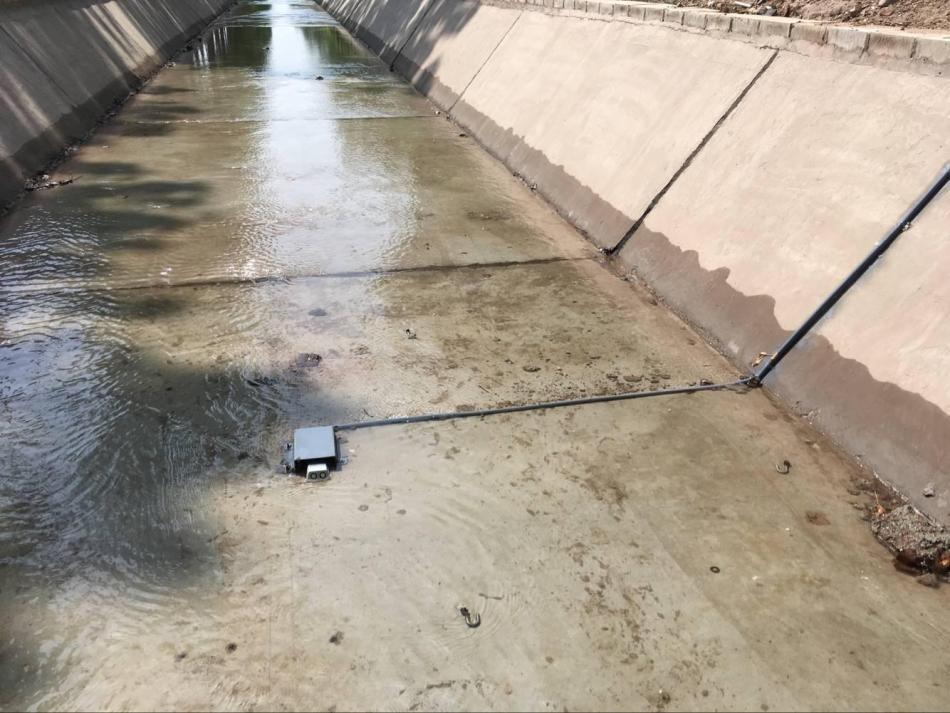
Another type is thefloat-type sensor, which utilizes the buoyancy of a float to measure the water level height. As the water level rises, the float also rises, altering the sensor's output signal. This type of sensor is suitable for some simple and economical application scenarios.
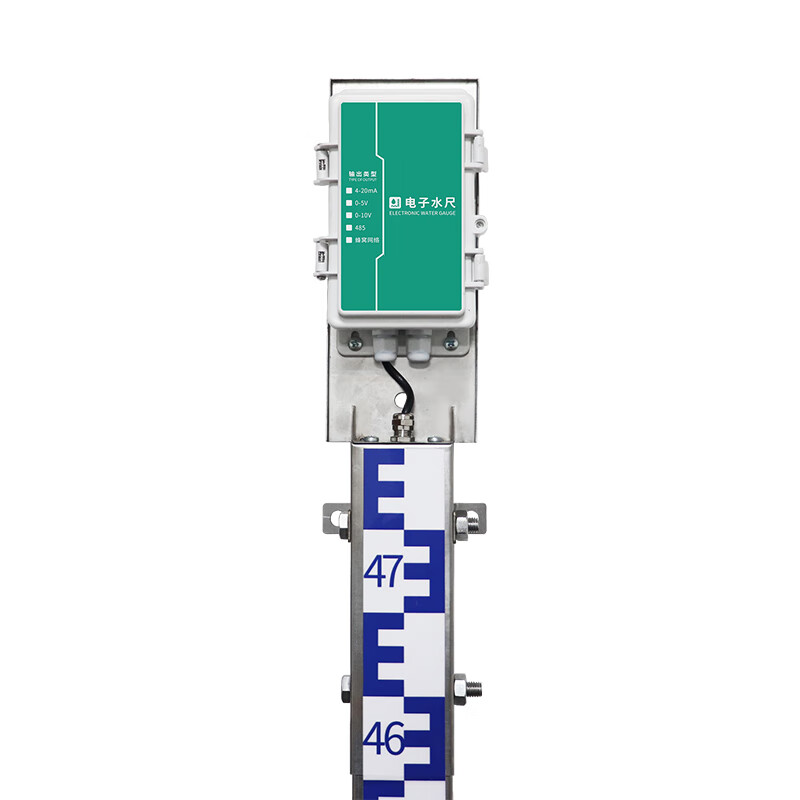
Ultrasonic sensorsuse the propagation speed of ultrasonic waves to measure the water level height. The sensor emits ultrasonic pulses towards the water surface, and when the pulses encounter the water surface, they are reflected back. The sensor determines the water level height by measuring the time taken for the reflected pulses to return. This method is suitable for situations requiring non-contact water level measurement, such as environments involving dirty water or chemicals.
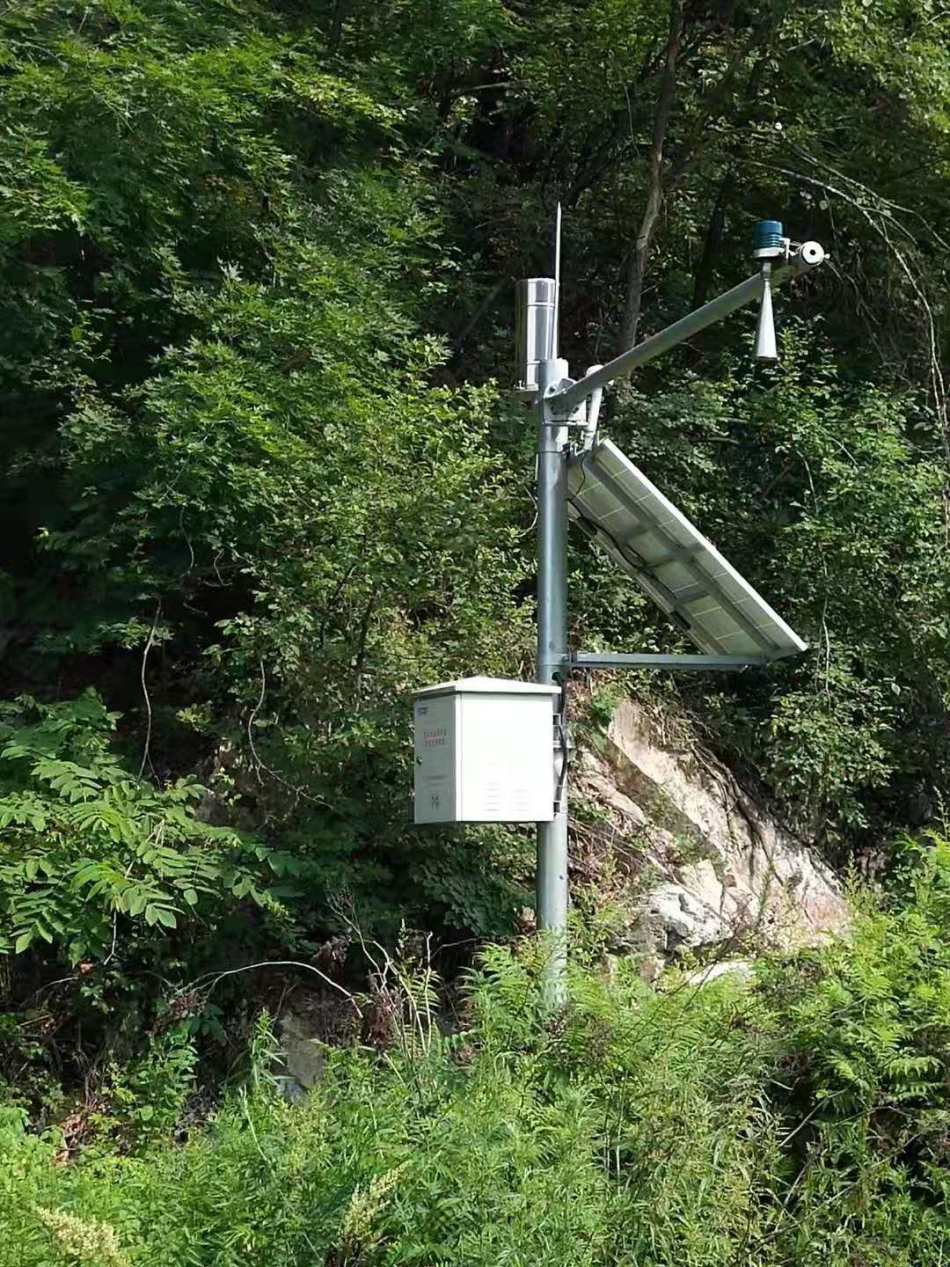
Key Functions
River level sensors should possess multiple key functions, which can be customized according to specific application requirements, but generally need to meet the following basic requirements:
- Wide Measurement Range:The sensor should be able to measure water level heights within different ranges to adapt to the actual conditions of different water environments.
- High-precision measurement:The sensor should possess high-precision measurement capabilities to ensure accurate measurement of water level height and provide reliable data support.
- Rapid response:The sensor should respond quickly to changes in water level, update measurement data in real time, and transmit the data to the monitoring platform in a timely manner.
- Durability and corrosion resistance:The sensor needs to have durability and corrosion resistance to adapt to harsh environmental conditions such as river channels and ensure long-term stable operation.
- Self-cleaning function:The sensor should have a self-cleaning function that can automatically clean the surface sediment to ensure the accuracy and reliability of measurement results.
- Long-term stability:The measurement performance of the sensor should have excellent long-term stability, capable of providing accurate and reliable data over a long period of time.
- Environmental adaptability:The sensor should adapt to various climatic conditions and be able to work normally under adverse factors such as wind, rain, high temperature, and low temperature.
- Data Transmission and Management:Sensors should possess data transmission and management capabilities, enabling the transmission of measurement data to monitoring systems or relevant institutions, and providing data storage, analysis, and management functions.
Furthermore, depending on specific needs, other special functions can be added, such as alarm functions for detecting abnormal water level conditions, lightning protection functions to ensure equipment safety, and remote monitoring functions that allow users to monitor water level data in real time. These functions collectively ensure the reliability and practicality of river water level sensors in hydrological monitoring.
Metadata Information
The metadata information of river water level sensor sensing terminals is key data about the sensor itself and its operating environment, and should include the following important contents:
- Sensor Model:This is information that identifies the specific model and specifications of the sensor, helping to ensure that the sensor used meets specific measurement needs and performance requirements.
- Sensor Identifier:Each sensor terminal has a unique identifier to distinguish between different sensors. This is crucial for ensuring the uniqueness and traceability of the data source.
- Installation Location:Records the exact location of the sensor in the river channel, which can include latitude and longitude coordinates or other geographical location descriptions. This helps to determine the source and spatial correlation of the data.
- Measurement Range:Indicates the range of water levels that the sensor can measure, including the minimum and maximum measurement values. This helps to understand the applicable scope of the sensor.
- Measurement accuracy:Indicates the measurement accuracy of the sensor, usually expressed as an error range, such as ±0.5 centimeters. This is an important parameter for evaluating data quality and accuracy.
- Sampling frequency:Records the sampling frequency of the sensor, that is, the number of measurements per second or per minute. This determines the temporal resolution and sampling frequency of the data.
- Data output format:Describes the format of the sensor's output data, which can be analog signal, digital signal, or communication protocol. This facilitates data reception and interpretation.
- Power supply mode:Describes the power supply mode of the sensor, which can be battery-powered, solar-powered, or externally powered. This is crucial for ensuring the continuous operation of the sensor.
- Data transmission mode:Indicates the way in which the sensor transmits measurement data to the monitoring system or host computer, which can be wireless communication, wired transmission, or storage device. This relates to the real-time and accessibility of the data.
- Data storage capacity:Record the capacity of data stored internally by the sensor, typically expressed in bytes or storage time. This determines the data storage capability.
- Alarm Settings:Describe the alarm settings of the sensor, such as triggering an alarm when the water level exceeds a set threshold. This aids in monitoring potential risks and anomalies.
- Maintenance Information:Record the maintenance information of the sensor, including maintenance cycles, maintenance records, and maintenance personnel. This helps ensure the long-term performance of the sensor.
These metadata are crucial for data management and analysis in the monitoring system. They provide basic attributes about the sensor's performance and usage, helping users understand the sensor's reliability and applicability.
Terminal Logs
The terminal log data of the river water level sensor contains various important information recorded during the sensor's operation. The following are key contents that may be included in these log data:
- Time Stamp:Record the precise time of each event, usually presented in the form of date and time.
- Measurement Value:Record the water level value measured each time, expressed in centimeters or other units, reflecting the actual water level height.
- Alarm Records:Record alarm events triggered by the sensor, including detailed information such as the time of the alarm, alarm type, and alarm level.
- Maintenance Records:Record maintenance activities for the sensor, such as regular calibration and cleaning of the sensor, including the time of maintenance, type of maintenance, and personnel performing the maintenance.
- Power Supply Status:Record the power supply status of the sensor, including battery level, whether the power supply is interrupted, and other information to ensure the normal operation of the sensor.
- Communication Status:Record the communication status between the sensor and the monitoring system or the host computer, including whether the connection is successful, whether there are communication errors, etc.
- Operating Status:Record the operating status of the sensor, including whether it is operating normally, whether it has malfunctioned, and whether it is in standby mode.
- Temperature Records:Record the temperature values of the environment surrounding the sensor, usually expressed in degrees Celsius or other units, which helps analyze the impact of environmental factors on measurements.
- Humidity Record:Record the humidity value of the environment surrounding the sensor, typically expressed as a percentage or in other units, to understand the potential impact of humidity on measurements.
- Data Storage Status:Record the status of internal data storage in the sensor, including information such as storage capacity and remaining space, to ensure normal data recording.
- System Events:Record events related to the monitoring system to which the sensor belongs, such as system startup, shutdown, network connection status, and other key event information.
By analyzing the terminal log data of these river water level sensors, one can gain insight into the sensor's working status, detect abnormal events, and understand maintenance conditions. This information provides a strong basis for troubleshooting, data analysis, and system optimization.
Reference Standards
The following are reference standards related to river water level sensors:
- ISO 23570:2011 - "Water Quality Monitoring Instruments and Equipment. Water Level Measurement Instruments. Field Calibration Methods and Accuracy Requirements"
- ISO 748:2016 - "Water Quality Monitoring. Measurement of Water Level. General Requirements"
- ISO 4365:2019 - "Water Quality Monitoring. Measurement of River Water Level and Flow Velocity. General Requirements"
- ISO 15784:2003 - "Measurement and Monitoring of River Levels and Flow Velocities. Systems for Collecting, Transmitting, and Processing Data"
- GB/T 15782-2012 - "Hydrological Measurement Sensors. Water Level Measurement Sensors"
- GB/T 23335-2009 - "Water Quality Monitoring Instruments and Equipment. Water Level Measurement Instruments"
These standards aim to provide guidance on the design, performance requirements, testing methods, calibration, and data processing of river level sensors, ensuring their reliability, accuracy, consistency, and interoperability in various applications.
Deployment Requirements for River Level Sensors
The deployment of river level sensors is crucial for ensuring their performance and data quality. The quality of deployment directly impacts the accuracy and reliability of monitoring. Below are some important requirements and considerations for the deployment of river level sensors:
- Location Selection: Choosing the installation location of the sensor is essential. A location that can fully reflect water level changes in the river should be selected, while avoiding obstruction and interference. Factors such as the river's flow conditions, the range of water level changes, water depth, and the width of the river channel need to be considered.
- Installation Method: Select an appropriate installation method based on the type and characteristics of the sensor. Sensors can be fixed on the riverbed, fixed on the riverbank, or hung on a buoy, with the specific method ensuring the stability and safety of the sensor.
- Protective Measures: Consider the protective needs of the sensor in harsh environments. This includes measures such as waterproofing, corrosion resistance, and lightning protection. Ensure that the sensor can operate normally under various conditions and protect its performance and lifespan.
- Power Supply and Communication: Providing reliable power supply and communication facilities is crucial for the normal operation of sensors. Sensors should have stable power interfaces and good communication signal coverage.
- Regular Maintenance: Regular maintenance and calibration of sensors are important steps to ensure their performance. Clean up debris and sediment around the sensors to ensure their normal operation and measurement accuracy.
- Data Transmission and Storage: Select appropriate data transmission and storage methods to ensure that sensors can transmit measurement data to the monitoring system in a timely manner, and store and manage the data. This can include wired or wireless transmission, as well as consideration of data storage capacity.
- Security Considerations: During the deployment of sensors, security issues should be considered to prevent vandalism, theft, or damage to sensor equipment. Appropriate security measures can ensure the long-term availability of sensors.
- Data Accuracy Verification: After the deployment of sensors, data accuracy should be verified and calibrated. This helps confirm the accuracy and reliability of sensor measurements, allowing for timely identification of issues and implementation of measures to resolve them.
Summary
The deployment of river water level sensors requires comprehensive consideration of actual conditions and needs to ensure the accuracy, stability, and reliability of the sensors, providing support for effective water level monitoring. These requirements and best practices help ensure the normal operation of the monitoring system and provide reliable data for use by relevant agencies and decision-makers.
These river water level sensors can be used in conjunction with data acquisition systems to monitor water level changes in real time and transmit the data to relevant agencies or systems for water level early warning, flood prediction, and water resource management. They should possess functions such as a wide measurement range, high-precision measurement, rapid response, durability and corrosion resistance, self-cleaning ability, long-term stability, and good environmental adaptability. In addition, the sensor's metadata information and terminal log data are also very important, providing basic sensor attributes, performance, and working status, as well as information for data management and analysis.
The deployment of river water level sensors requires consideration of factors such as location selection, installation method, protective measures, power supply and communication, regular maintenance, data transmission and storage, security considerations, and data accuracy verification. Depending on the specific application scenarios and requirements, reasonable deployment and management can ensure the accuracy, stability, and reliability of the sensors, providing support for effective water level monitoring.


Leave a Reply