
Introduction
With the continuous advancement of technology, smart home systems are becoming increasingly popular. In this field, the KNX system, with its powerful functionality and wide compatibility, has emerged as one of the leading technologies for home and building automation. This article aims to delve into the characteristics, standards, configuration modes, and global market applications of the KNX system.
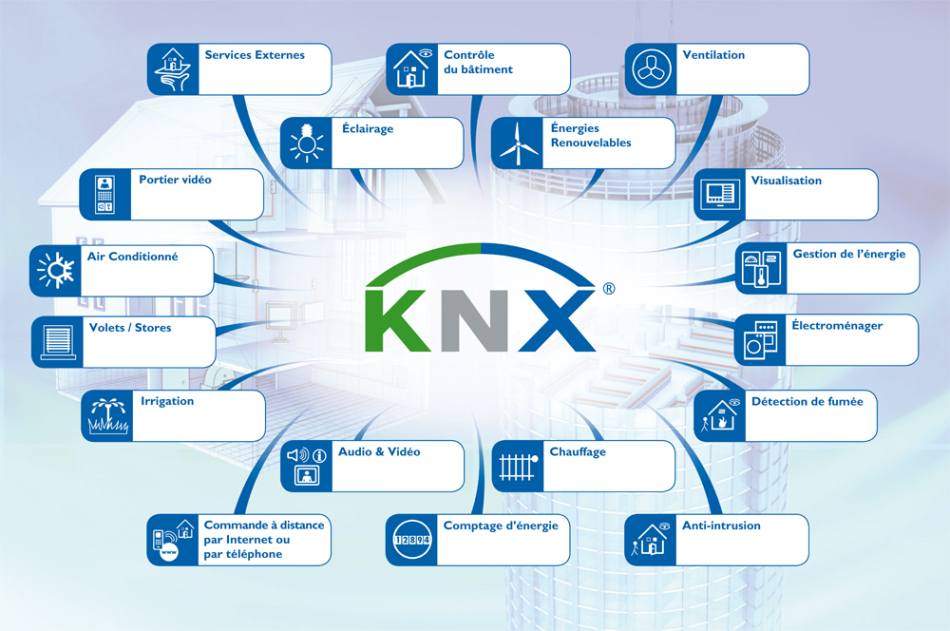
I. Introduction to KNX
KNX, an abbreviation of Konnex, was formed in 1999 through the merger of three major European bus protocols: EIB, BatiBus, and EHSA. It not only combines the advantages of these three protocols but also provides a comprehensive solution for home and building automation. The KNX system is a vendor-independent and cross-application area system that facilitates information exchange between devices through various transmission media, such as twisted-pair cables, radio frequency, power lines, or IP/Ethernet.
II. KNX International Standards
- ISO/IEC: Became an international standard ISO/IEC 14543-3 in 2006.
- CENELEC: Became European standards EN50090 and EN 13321 in 2003.
- CEN: Approved as EN 13321-1 and EN1332-2 in 2006.
- SAC: Approved as a Chinese standard GB/Z 20965 in 2007.
- ANSI/ASHRAE: Became an American standard ANSI/ASHRAE 135 in 2005.
III. Configuration Modes
- S-Mode (System Mode)Designed for professionally trained installers, it provides flexible building control functions.
- E-Mode (Simple Mode)Targets installers with basic training and offers limited functionality.
IV. Transmission Media
- TP (Twisted Pair)Includes TP-0 and TP-1, with bit rates of 4800 bits/s and 9600 bits/s respectively.
- PL (Powerline)Includes PL110 and PL132, with bit rates of 1200 bits/s and 2400 bits/s respectively.
- RF (Radio Frequency)Uses an 868 MHz bandwidth with a bit rate of 16.384 kBit/sec.
- IP (Ethernet)KNX signals can be packaged into IP signals for transmission.
V. Bus Structure
KNX follows the OSI model, including the physical layer, data link layer, network layer, transport layer, and application layer.
VI. Features
- High Reliability: It has a complete resend mechanism.
- High Flexibility: It supports products from over 400 manufacturers.
- High Scalability: It can be extended to different control domains through gateway interfaces.
- High Quality: All certified products are made of high-quality materials.
- High ConsistencyAll KNX products are highly interoperable and EU certified.
VII. Disadvantages
- High Cost: Compared to other solutions, the KNX system is more expensive.
- Slow Communication Speed: Not suitable for high-speed communication needs.
VIII. Application Scenarios
- Applicable Situations: Mainly used in lighting control, energy saving, monitoring, and other scenarios.
- Inapplicable Situations: High-speed communication and cost-sensitive areas.
IX. KNX Products
- Actuator class: Controls the output devices at the end.
- Controller class: Front-end control devices, such as panels, touch screens, etc.
- Sensor class: Devices that perceive external things.
- System (device) class: Devices that fulfill important functions in the system.
- Gateway class: Devices that interface with other systems.
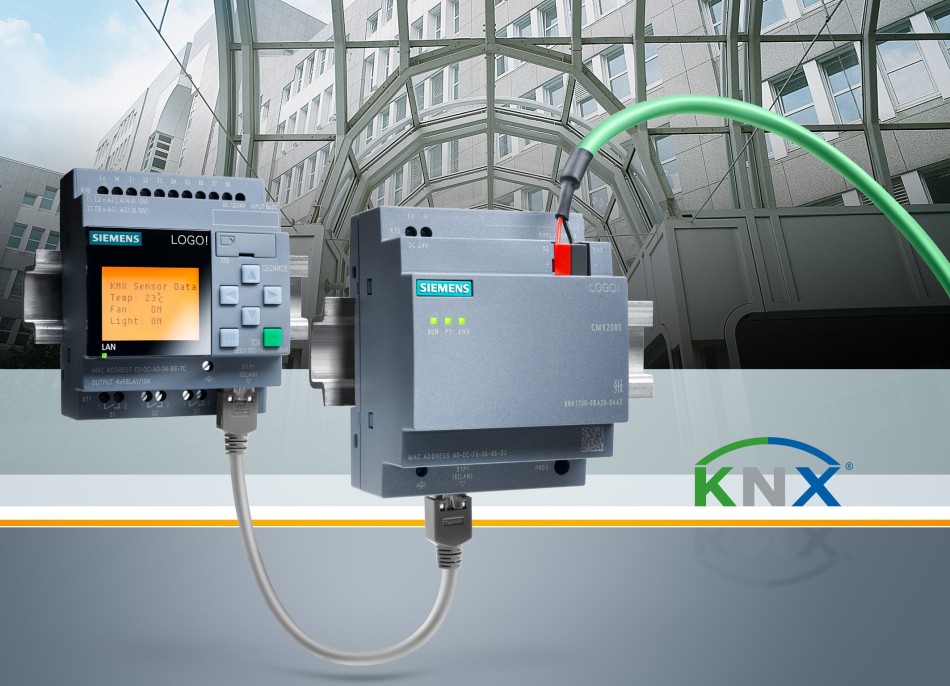
X. Installation method
- : Ceiling-mountedSensor products.
- DIN-rail: execution terminals or gateways.
- Wall-mounted: human-computer interaction devices.
- Concealed: control or interface products.
Global market applications
- Europe and China: KNX has achieved significant growth in these regions.
- Germany: almost dominates the entire home solution market.
- UK: KNX accounts for 27% of the home smart system market.
- France: the most popular non-proprietary protocol.
- Netherlands: holds a 34% share in residential smart home systems.
- China: has become the only approved Chinese standard for home and building control.
Conclusion
: KNX systems occupy an important position in the global smart home and building automation field due to their high compatibility, flexibility, and reliability. Despite cost and speed challenges, KNX systems remain a significant choice for future home automation. With technological development and standard improvement, KNX is expected to continue expanding its influence in the global market.


Leave a Reply