
Product Detail Respiratory, Heart Rate, Sleep Sensor HB01
Before installing, repairing, or disassembling modules, please read and follow all safety precautions, including the following:
Warning: There is a risk of electric shock or fire. Turn off the power supply at the circuit breaker or fuse. Use a non-contact voltage tester to ensure that the power is turned off.
- The installation and use of smart switches must comply with national electrical regulations or local electrical regulations. If you are not familiar with these specifications and requirements, or find installation difficult, please consult a professional electrician.
- The module requires a stable DC12V-24V power supply, please use a professional power supply!
- Please strictly follow the instructions for wiring, check for errors before turning on the power to avoid unnecessary losses!
- Do not install modules with wet hands or standing on damp or damp surfaces!
# Function Overview
A sensor that uses radar wave technology to non-contact detect human respiration and heartbeat frequency. Based on a one transmitter three receiver antenna form, the wide beam radar module is mainly suitable for top mounted installation mode, and can accurately scan the motion tomography of the entire human body by controlling a certain angle range through algorithms; Realize sleep detection during both dynamic and static states of the human body, as well as respiratory and heart rate acquisition in different postures.
# Purchase Suggestion
Widely applicable to households, hotels, hospitals, nursing homes, and other places with regional human body testing, patient care, high-end elderly care, and personnel sleep and respiratory testing needs.
# Parameters
- Product Name: Respiratory Heart Rate Sleep Multifunctional Sensor
- Product Model: HB01
- Appearance Size: Φ 66 * H75MM
- Product Weight: 120g
- Communication Method: RS485
- Input Voltage: DC12V-24V
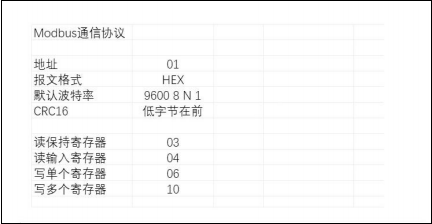
- Communication Protocol: Modbus
- Baud Rate: 9600 8N1 (default)
- Installation Method: Ceiling Hanging Wall
- Shell Material: Metal Shell
- Sleep Detection (Chest): 0.4-2.5M
- Respiratory Heart Rate (Chest): 0.4-1.5M
- Respiratory measurement accuracy: 90%
- Respiratory measurement range: 10-25 times/minute
- Heartbeat measurement accuracy: 95%
- Heartbeat measurement range: 60-100 beats per minute
- Refresh time: 3-30 seconds
- Establish detection time: 60 seconds
- Operating frequency: 60GHz
- Transmission power: 6dBm
#Radar range
- The radar coverage range is a three-dimensional fan-shaped area with a horizontal angle of 40 ° and a vertical angle of 40 °.
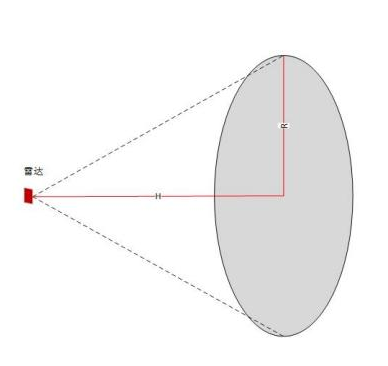
- Due to the influence of radar beam characteristics, the radar has a relatively long operating distance in the normal direction of the antenna surface, but the operating distance will be shorter if it deviates from the normal direction of the antenna. When the radar is installed at an angle, the radar's operating range will be reduced due to the influence of the radar beam range and effective radiation space, and attention should be paid when using it.
# Functional Features
- Motion detection amplitude, within the radar detection range, motion information output can be detected, such as walking or small hand movements, which can be detected by the radar and trigger a manned state.
- Respiratory detection function, within the radar detection range, when a person remains stationary, small movements such as chest undulations caused by breathing can be detected by the radar and kept in a human state at all times.
- Respiratory heart rate frequency acquisition function, within the radar detection range, when a person remains stationary, small movements such as chest fluctuations caused by breathing and heartbeat can be detected and statistically analyzed by the radar, and then output the person's respiratory and heartbeat values per minute.
- Sleep detection function, a. Sleep quality assessment: awake/light/deep sleep, b. Sleep time recording: data output related to sleep quality duration, c. In bed state: in bed/out of bed
- Radar detection based on FMCW frequency modulated continuous wave signal. Implement synchronous perception of human respiration and heart rate. Implement historical recording of human sleep quality.
- Realize synchronous perception of human respiration and heart rate.
- Realize the historical record of human sleep quality.
- Maximum distance for monitoring human sleep quality: ≤ 1.5 meters.
- Maximum distance for detecting human respiratory and heart rate: ≤ 1.5 meters. The output power of the radar module is within 0.5 watts.
- The output power of the radar module is within 0.5 watts.
- is not affected by environmental factors such as temperature, humidity, noise, airflow, dust, and light.
- The product supports secondary development and provides open protocols.
- Standard Modbus industrial control protocol, convenient for various system integration.
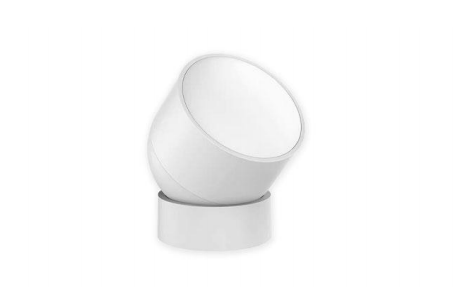
# Product Image
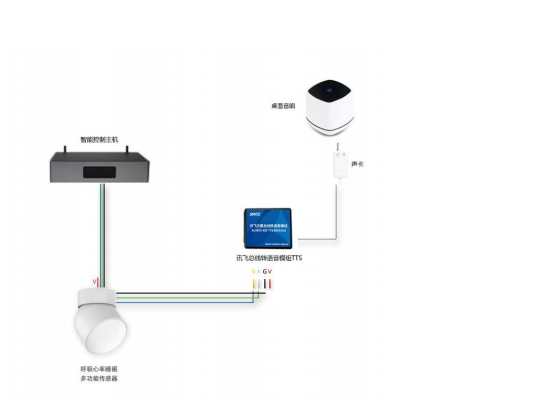
# Wiring Diagram
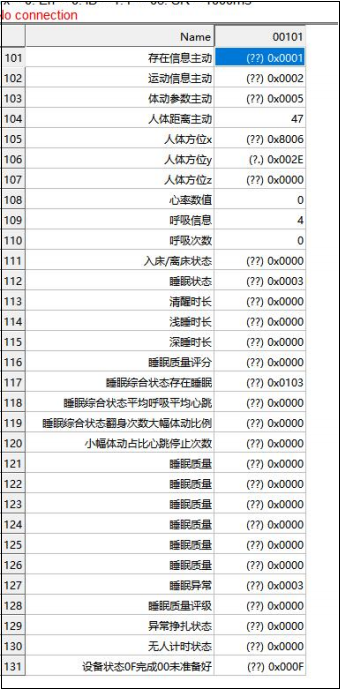
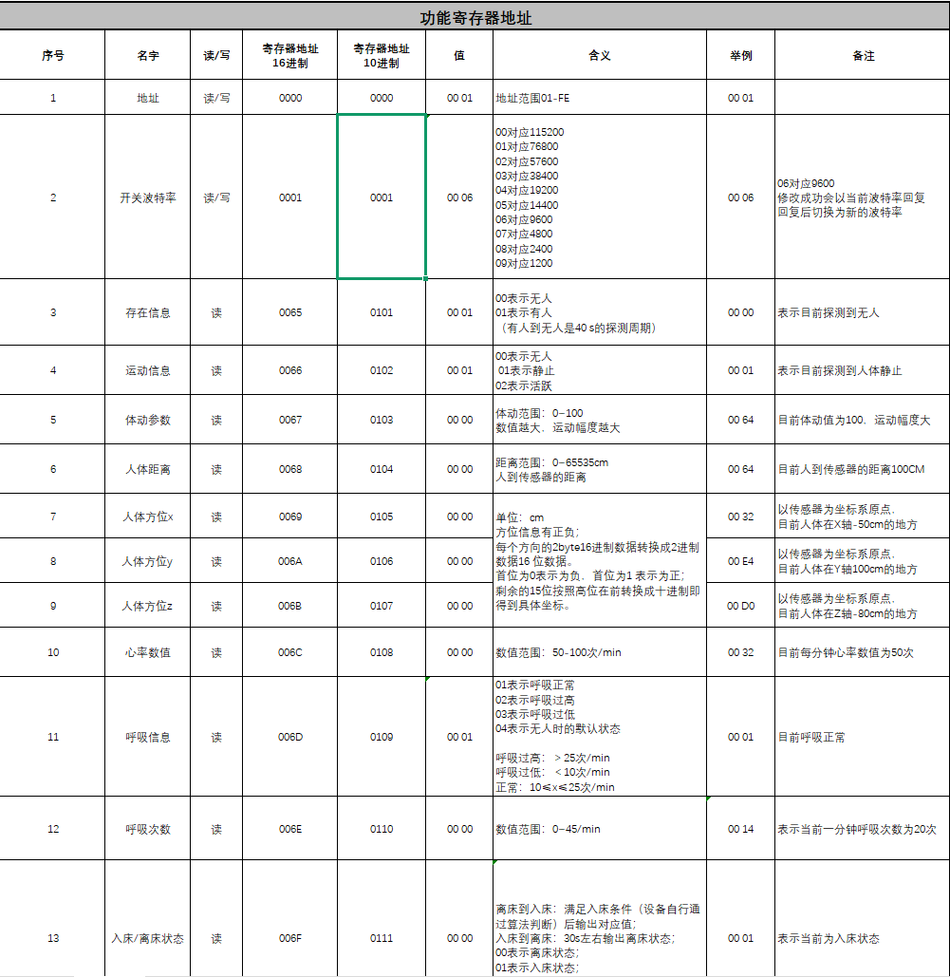
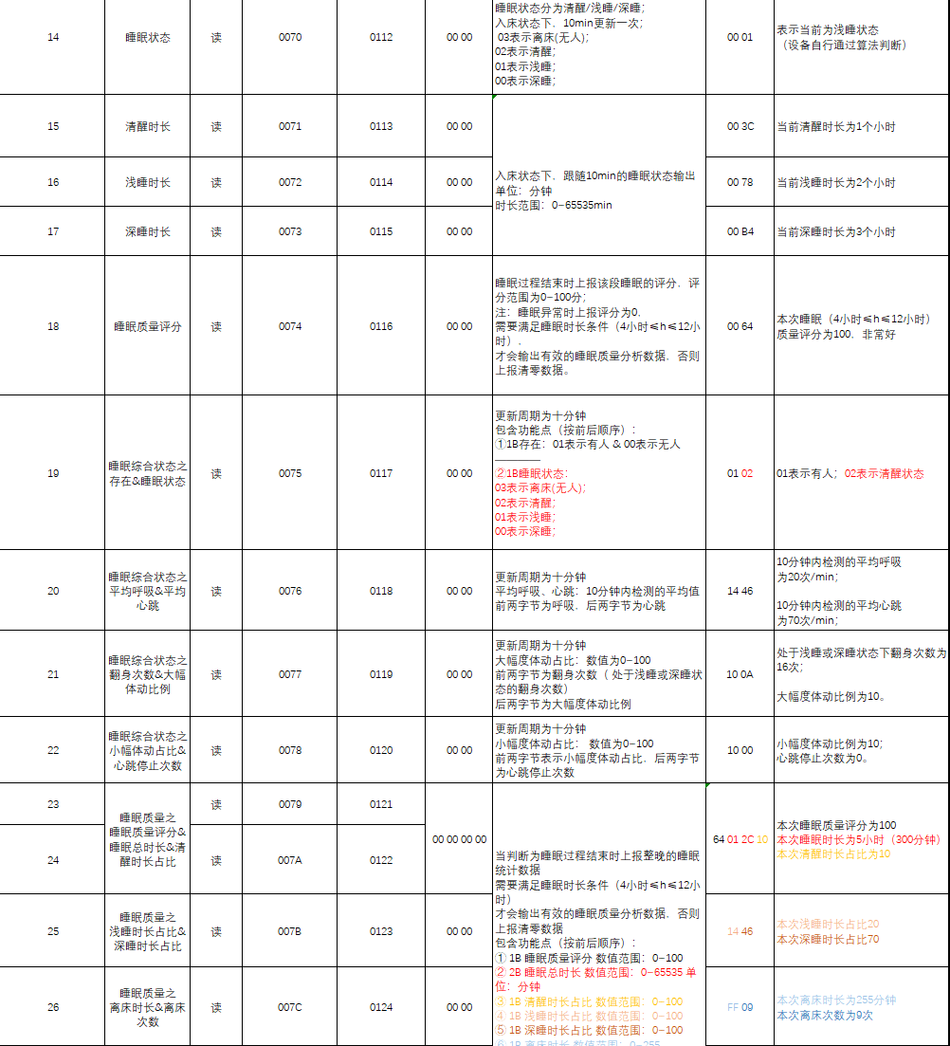
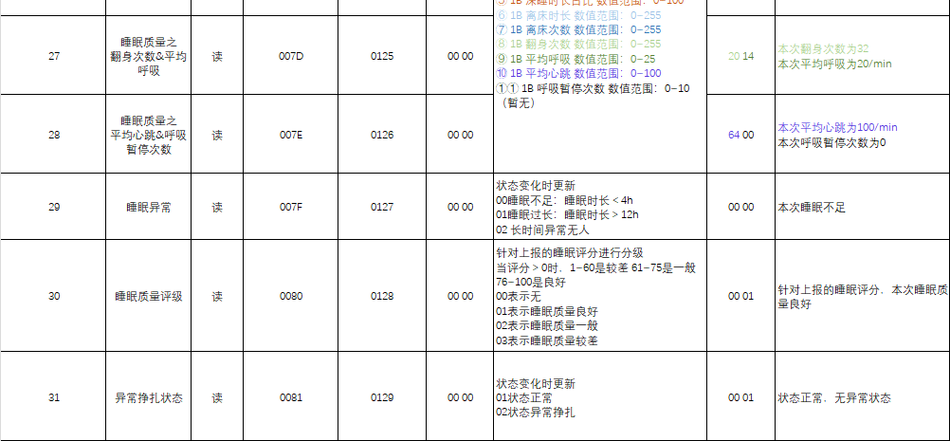
# Modbus Protocol


# Product Installation
- This radar product is recommended to be installed at an angle and parallel to the scanning surface at a distance of ≤ 1.5 meters. In response to the demand for sleep breathing and heartbeat detection, the radar needs to be installed in a tilted manner. The radar should be installed at a height of 1 meter directly above the head of the bed, tilted downward at a 45 ° angle towards the middle of the bed, and controlled within a distance of 1.5 meters from the chest cavity to ensure normal detection of breathing, heartbeat, and sleep related parameters. Align the normal direction of the radar with the main detection position to ensure that the main beam of the radar antenna covers the human sleep detection area. Due to the limitation of the radar antenna beam range and deviation from the normal direction of the radar, the effective operating distance will be reduced. Millimeter wave electromagnetic waves have certain penetration characteristics for non-metallic materials, and can penetrate common glass, wooden boards, screens, and thin partition walls, detecting moving objects behind obstructions; But it cannot penetrate thicker load-bearing walls, metal doors, etc.
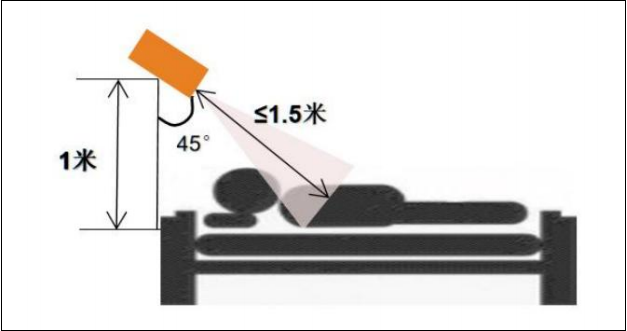
- Due to the limitation of the radar antenna beam range and deviation from the normal direction of the radar, the effective operating distance will be reduced. Millimeter wave electromagnetic waves have certain penetration characteristics for non-metallic materials, and can penetrate common glass, wooden boards, screens, and thin partition walls, detecting moving objects behind obstructions; But it cannot penetrate thicker load-bearing walls, metal doors, etc.
# Precautions
- Starting time: When starting to work after initial power on, it is necessary to completely reset the internal circuit and fully evaluate the environmental noise to ensure the normal operation of the equipment. Therefore, when the device is initially powered on, it needs to have a stable startup time of ≥ 60 seconds to ensure the effectiveness of subsequent output parameters.
- Due to the limitations of the respiratory and heartbeat detection scenario, the radar is a non-contact device. To detect the respiratory and heartbeat of a target, the position of the target needs to be locked first, and then the respiratory and heartbeat intensity and values of the target need to be collected and calculated. Therefore, it is required to detect the target within a reasonable detection range, maintain a resting state for detection, and avoid continuous movement affecting the radar's locking of the target, thereby affecting the detection of respiration and heartbeat.
- Effective detection distance. The detection distance of radar equipment is closely related to the target and environmental factors. The effective detection distance may change with changes in the environment and target. This equipment does not currently have ranging function, so fluctuations in the effective detection distance within a certain range are normal phenomena.
- Radar biological detection performance, due to the fact that human biological characteristics belong to ultra-low frequency and weak reflection characteristic signals, radar processing requires relatively long time accumulation processing. During the accumulation process, many factors may affect radar parameters, so occasional detection failures are a normal phenomenon.


Leave a Reply