
Industrial Internet, as the core technology ofIndustry 4.0, connectsequipment, systems and servicestogether to achieve real-time data collection, analysis and optimization, and promote the transformation and upgrading of the manufacturing industry. As the cornerstone of industrial Internet,communication protocolplays a key role in data exchange, equipment control, system integration and data analysis.
I. Type of industrial Internet communication protocol
1. Wired communication protocol
- Ethernet: widely used in computer LAN, with fast data transmission speed and high stability, suitable for high-speed data transmission between devices.
- Industrial Ethernet: Developed on the basis of Ethernet, it has higher real-time performance, reliability, and securityHigher real-time performance, reliability, and security, with typical protocols includingPROFINET, EtherCAT, POWERLINK, etc.
- Fieldbus: Used to connect industrial field devices, mainly for data exchange and control between devices. Typical protocols includeCAN, Modbus, Profibus, HART, DeviceNetWait.
2. Wireless communication protocol
- Wi Fi: Wireless LAN technology, flexible connection, easy installation, suitable for remote monitoring and management of devices.
- Bluetooth: Short range wireless communication technology, suitable for low-speed data transmission of devices and short-range communication between devices.
- ZigBee: A low-power, low-cost wireless communication technology suitable for connecting and collecting data from IoT devices.
- LoRa: Long distance, low-power wireless communication technology suitable for device connection and data transmission over a wide area.
- 5G: High speed, low delay, wide connectioncellular mobile communication technology is suitable for mobile applications of industrial Internet.
II. Industrial Internet communication protocol function
- Data exchange: Realize real-time data transmission and exchange between devices, and provide data basis for industrial Internet.
- Device ControlRealize remote monitoring and control of equipment to improve the automation level of the production process.
- System integration: Realize the integration between different devices, systems and services, and provide a unified platform for the industrial Internet.
- Data analysis: realize the collection and analysis of a large amount of data, and provide decision support for the industrial Internet.
- Network security: ensure the safe and reliable operation of the industrial Internet system.
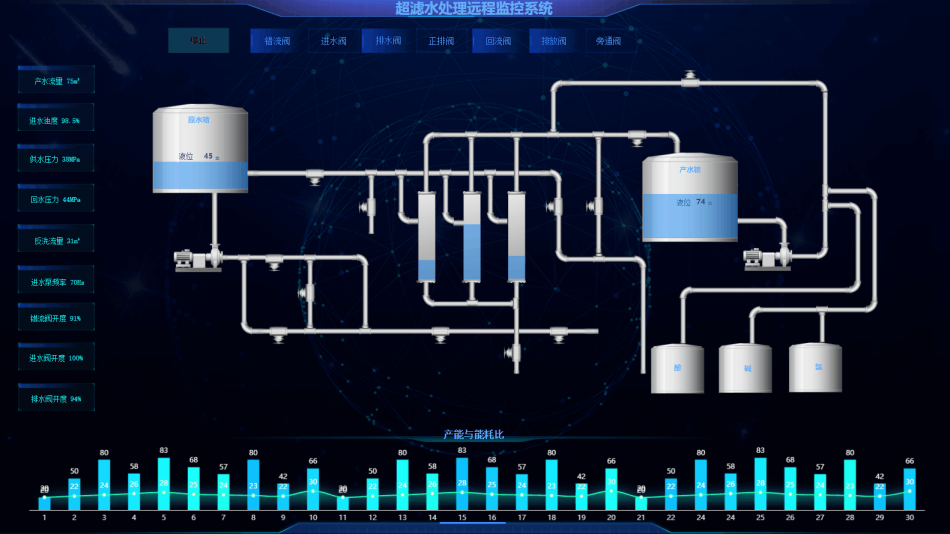
III. Connection mode of industrial Internet communication protocol
1. Point to point connection
A communication link is directly established between two devices, which is suitable for scenarios with small number of devices and simple communication requirements.
2. Multiple to One Connections
Multiple devices communicate through a central node, suitable for scenarios with a large number of devices and complex communication requirements.
3. Star Network
Multiple devices communicate through a central node, which is responsible for forwarding and routing data.
4. Mesh Network
Any two devices can communicate directly with each otherIt has higher reliability and flexibility.
V. Development trend of industrial Internet communication protocol
- High speed: improve transmission rate and reduce delay to meet the requirements of industrial equipment for data transmission speed.
- Reliability Enhancement: Improve reliability and fault tolerance to ensure stable operation of industrial equipment.
- Security Improvement: Strengthen security measures such as data encryption, identity authentication and access control to ensure the security of industrial Internet.
- Energy Efficiency Optimization: Reduce power consumption, optimize data transmission methods, and achieve the goal of energy conservation and emission reduction.
- Multi protocol Fusion: Improve compatibility and achieve interconnectivity between different devices and systems.
- Artificial Intelligence Empowerment: Utilizing artificial intelligence technology to improve the intelligence level of protocols, achieving self perception, self-learning, and adaptation.
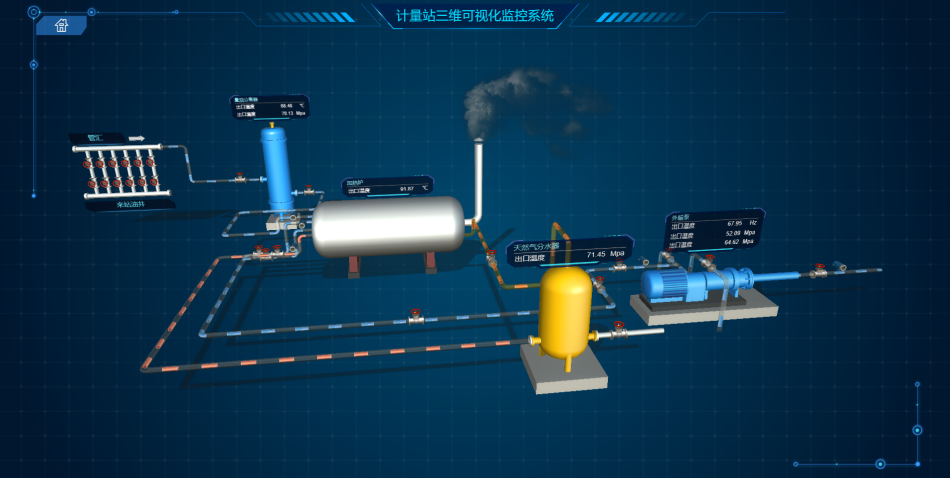
VI. Typical Application of Industrial Internet Communication Protocol
- Intelligent Manufacturing: In the production workshop, industrial Internet communication protocol is used to connect various devices to realize real-time monitoring and optimization of the production process.
- Smart Energy: In the power grid, industrial Internet communication protocol is used to connect various electrical equipment to achieve intelligent management of the power grid.
- Smart City: In cities, industrial Internet communication protocols are used to connect various infrastructures to achieve intelligent management of urban operation.
VII. Summary
Industrial Internet communication protocol is the key technology of industrial Internet, and will play an increasingly important role in the era of Industry 4.0. In the future, industrial Internet communication protocols will develop in the direction of high-speed, reliability enhancement, security improvement, energy efficiency optimization, multi protocol integration and AI enabling, providing more powerful technical support for the application of industrial Internet.


Leave a Reply