
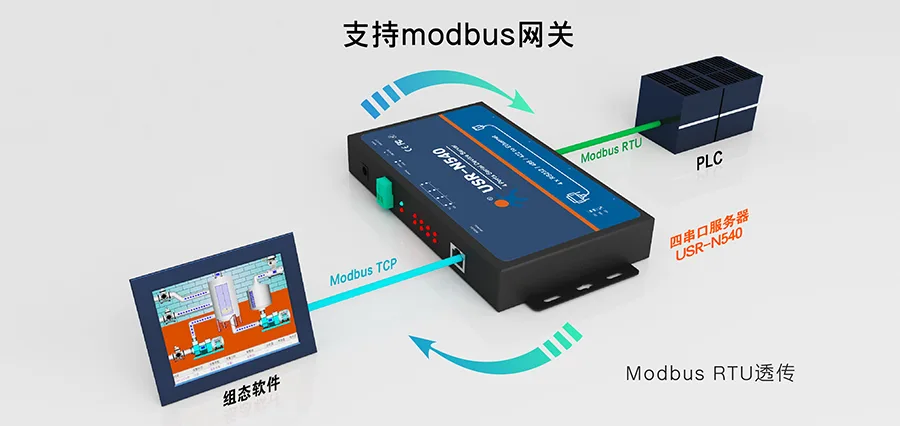
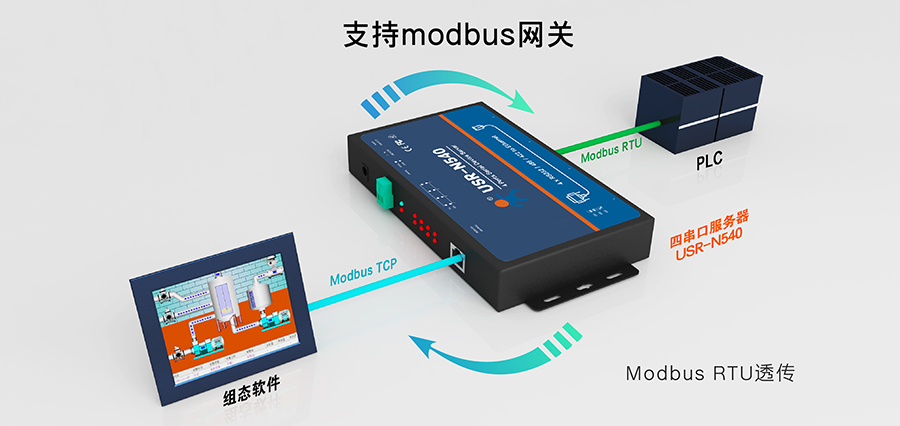
A serial device server is a networking device that connects two or more serial devices via Ethernet, converting RS232/422/485 serial ports into TCP/IP network interfaces. This enables bidirectional and transparent data transmission between serial ports and the network, providing serial-to-Ethernet functionality. With the development of the Internet of Things, serial device servers have found widespread applications in various fields such as industrial automation, intelligent transportation, wastewater treatment, power system monitoring, medical equipment, and building automation.
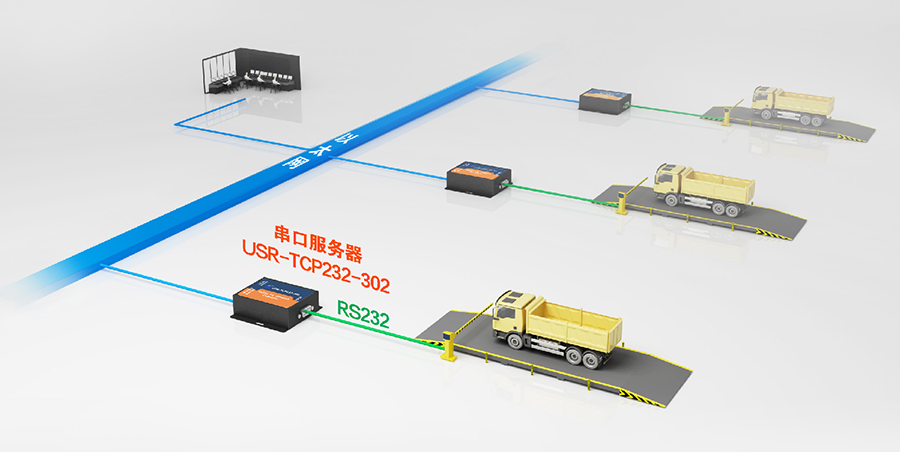
In industrial weighing solutions, weighing management devices can establish TCP connections with industrial control host computers through serial device servers, enabling remote transmission and management of weighing data, facilitating data statistics and management. In smart transportation solutions, serial device servers can convert the RS232/485 serial ports of terminal traffic lights or control cabinets into TCP/IP network interfaces, allowing remote control of traffic signals. In wastewater treatment remote monitoring solutions, serial device servers connect to data acquisition devices in wastewater treatment plants via serial ports, converting the data from these devices into network data and transmitting it to PC terminals, enabling remote monitoring and management of the production and operation data of wastewater treatment plants. In power system remote monitoring solutions, through serial device servers and serial port connections to power monitoring equipment, power monitoring personnel can remotely monitor the operation status of electric energy meters and respond promptly to abnormal power consumption situations, achieving an information sharing platform.
Furthermore, serial device servers are also suitable for various industrial control and communication fields such as medical equipment, PLC industrial equipment, solar energy, smart home, access control and attendance systems. By using serial device servers, traditional devices can be networked and are not limited by the length of physical cables, enabling long-distance data transmission. This improves the management and control efficiency of devices and provides support for the automation and intelligent development of various industries.


Leave a Reply