
With the rapid development of the Internet of Things (IoT), we are swiftly entering a brand-new era—the era of the Intelligent Internet of Things (AIoT). In this era, billions of devices will be interconnected through artificial intelligence (AI) and machine learning (ML) technologies, generating, exchanging, and utilizing massive amounts of data. Amidst this profound transformation, edge computing, as a crucial aspect of data processing, is playing an increasingly important role and is even metaphorically referred to as the "gas station" of the AIoT era.
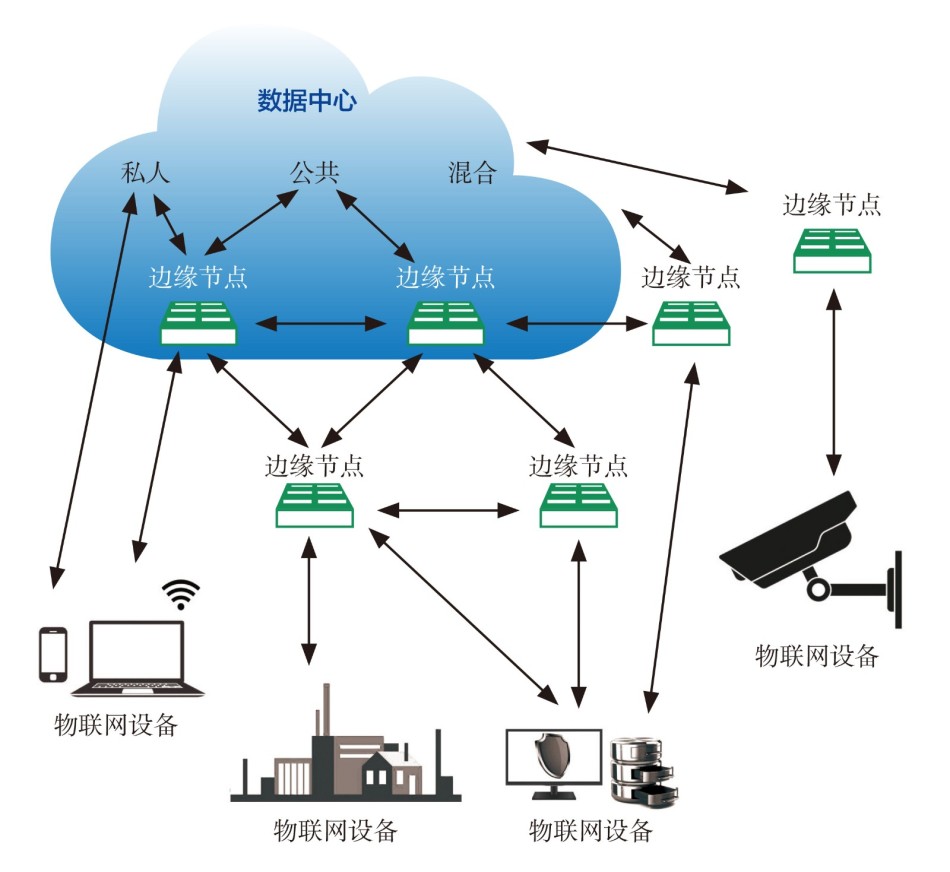
What is edge computing?
Edge computing refers to the shifting of computing tasks from the cloud to the edge of the network, that is, to the devices or terminals themselves. By performing data processing and analysis at the device end, edge computing can enhance data processing speed and efficiency, while reducing reliance on cloud networks. In the era of AIoT, this technology is crucial for handling vast amounts of data and making real-time decisions.
The Importance of Edge Computing
- Enhancing Data Processing Efficiency: In the era of AIoT, data is a gold mine, but the speed and capability of cloud-based data processing often fail to meet real-time requirements. Edge computing can process data instantly at the device end, enabling devices to respond quickly and greatly improving data processing efficiency and real-time performance. This is crucial for many key application areas such as autonomous driving, industrial automation, and smart homes.
- Reducing Network Burden: By transferring some computing tasks to the device end, edge computing reduces reliance on cloud networks, thereby alleviating the network burden. This is crucial for handling large-scale, high-concurrency data and enables IoT devices to operate better with limited network resources.
- Ensuring Data Security: Since data is processed at the device end, sensitive data does not need to be transmitted to the cloud, reducing the risk of data leakage and enhancing data security. This is of great significance for protecting user privacy and corporate sensitive information.
- Promoting the Development of AIoT: Edge computing provides a powerful driving force for AIoT. It not only enhances data processing efficiency but also reduces the consumption of network resources, enabling better integration of AI and IoT and further promoting the development of the intelligent Internet of Things. At the same time, edge computing also provides possibilities for developing new application areas, such as smart homes, industrial automation, and autonomous vehicles.
- Enhancing User Experience: Through edge computing, devices can respond to user operations and demands more quickly, providing users with a smoother, real-time interactive experience. This is crucial for many IoT applications, such as autonomous vehicles, industrial automation, and smart homes.
Advantages of edge computing
- Reducing latency: Since data is processed on the device side, it can reduce the data transmission time from the device to the cloud, thereby reducing latency. This is crucial for scenarios that require real-time response, such as autonomous driving and industrial automation.
- Enhancing network efficiency: Since edge computing can share some data processing tasks, it can reduce the load on cloud networks and enhance network efficiency. This is particularly advantageous for handling large-scale and high-concurrency data.
- Protecting Data Security: Since data does not need to be transmitted to the cloud, the risk of data leakage can be reduced, enhancing data security. This is of great significance for protecting user privacy and sensitive corporate information.
- Supporting Diversity: Edge computing can support a variety of different devices and platforms, thus better supporting the diversity of the Internet of Things (IoT). This means that various sensors, devices, and systems can be used to implement intelligent IoT applications.
- Reducing Costs: Since edge computing can reduce reliance on cloud networks, it can lower network bandwidth costs and cloud computing costs. This is an important consideration for both businesses and individual users.
Summary
Edge computing plays an increasingly important role in the era of intelligent IoT. It not only improves data processing efficiency and real-time performance but also reduces network load and costs, enhancing data security and user experience. Therefore, edge computing is considered one of the core driving forces in the era of intelligent IoT, providing continuous momentum for our future.


Leave a Reply