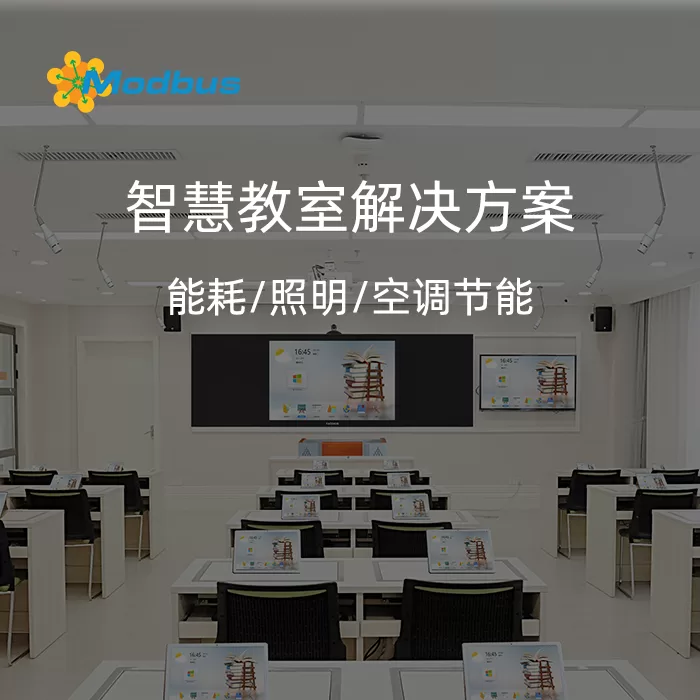
Solution for Intelligent Classroom Construction

Price range: ¥168.00 to ¥1,298.00

Background and Value of Smart Classroom ConstructionWith the arrival of the Education Informatization 2.0 era, traditional classrooms are transforming and upgra

下单前需要咨询?
188-0105-4468
WeChat Customer Service二维码 扫码添加客服

描述

Background and Value of Smart Classroom Construction
With the arrival of the Education Informatization 2.0 era, traditional classrooms are transforming and upgrading towards intelligence and digitization. The smart classroom integrates advanced technologies such as the Internet of Things, big data, and artificial intelligence to create a comprehensive teaching environment that integrates intelligent control, environmental regulation, security monitoring, and energy management. This new type of teaching space not only improves the quality and efficiency of teaching, but also creates a more comfortable, safe, and convenient teaching experience for teachers and students.

2, Overall design plan and construction objectives

2.1 Design Concept

The smart classroom adopts a three-layer architecture design of "cloud management end", and achieves organic integration of various subsystems through an intelligent control center, building a modern teaching environment with unified management, intelligent linkage, and data-driven.

2.2 Core Construction Objectives

  1. Intelligent Control of Teaching Equipment: Achieving One click Scene Control, Simplifying Equipment Operation Processes
  2. Optimizing Teaching Environment Adjustment: Creating a Comfortable and Healthy Learning Environment, Improving Learning Efficiency
  3. Comprehensive Security of Teaching Space: Building a Multi level Security System to Ensure the Safety of Teachers and Students
  4. Fine control of energy consumption: Achieving green energy conservation and reducing operating costs
  5. Visualization analysis of teaching data: Providing data support for teaching decisions

III. System architecture and core functional modules

3.1 Intelligent control center system

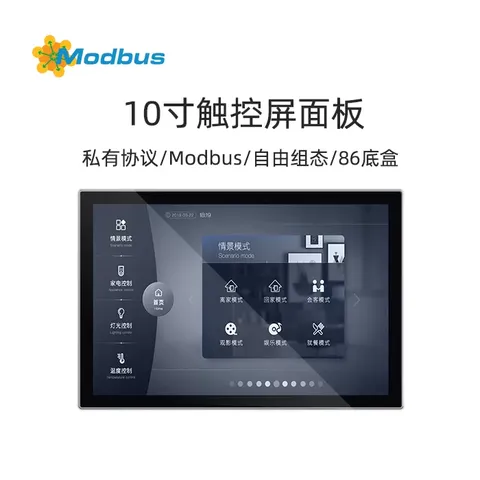
Core equipment: Intelligent control host (education specific version)
  • Adopting industrial grade quad core processor, supporting 128 device nodes to access
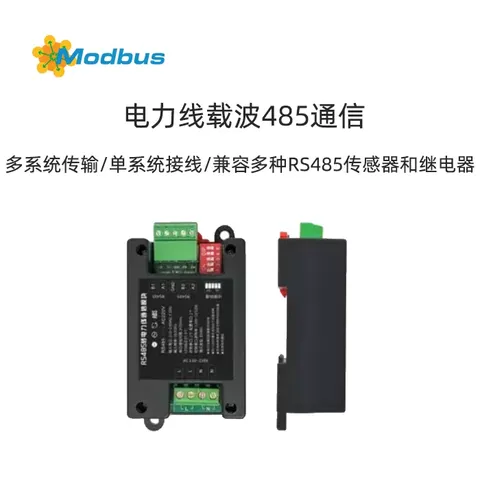
  • Supporting RS485, Zigbee, Wi Fi, KNX multi protocol conversion
  • Built in teaching scene engine, supporting complex condition judgment
  • Power outage memory protection, data storage time ≥ 10 years
Deployment planEach classroom is independently deployed and centrally managed at the teaching building level

3.2 Intelligent Environmental Control System

Sensing layer equipment​:
  • Temperature and humidity sensor: measuring range -10 ℃~+50 ℃, accuracy ± 0.3 ℃
  • Air quality sensor: monitoring parameters such as PM2.5, CO ₂, TVOC, etc
  • Illuminance sensor: Range 0-2000Lux, supports automatic dimming
Execution layer equipment​:
  • 8-channel intelligent lighting module: 16A load per channel, supporting grouping and delay control
  • Intelligent curtain motor: torque 35N · m, noise ≤ 35dB
  • Infrared air conditioning controller: supports 2000+air conditioning brands, learning code library

3.3 Comprehensive Security Monitoring System

Video surveillance subsystem​:
  • 4 million pixel wide-angle network camera
  • Support facial recognition and regional intrusion detection
  • H. 265 encoding, saving 50% storage space
Access control management subsystem​:
  • Swipe card+facial recognition dual factor authentication
  • Real time recording of entry and exit information, automatic blacklist alert
  • Interworking with attendance system data

3.4 Energy Management System

Monitoring Equipment:
  • Smart Meter: Accuracy Level 1.0, Supports Demand Statistics
  • Energy Sensor: Real time Monitoring of Current, Voltage, and Power Factor
Management Function:
  • Energy Sub item Measurement (Lighting, Air Conditioning, Teaching Equipment)
  • Energy Abnormal Warning
  • Energy saving Analysis Report Automatic Generation

IV. Typical Application Scenario Implementation

4.1 Standard Teaching Mode

The teacher swipes their card to enter the classroom, and the system automatically performs the following operations:
  1. The lighting is adjusted to the optimal brightness according to the teaching mode
  2. The air conditioning is set to 24 ℃ and the humidity is 50%
  3. The electric screen is lowered, the projector is turned on
  4. The amplifier equipment is powered on, and the microphone is on standby
  5. The security system enters the teaching monitoring mode

4.2 Multimedia teaching scene

Supports intelligent linkage of multiple teaching devices:
  • When the projector is turned on, the lights are automatically dimmed
  • The computer signal automatically switches to the projection output
  • Environmental noise monitoring, automatic gain adjustment
  • Equipment abnormal automatic alarm

4.3 Energy saving management mode

Intelligent energy saving in unattended state:
  • Personnel leave for 30 minutes and automatically turn off unnecessary equipment
  • Automatically adjust light brightness according to natural light
  • Automatically enter low power consumption mode in holidays
  • Energy consumption data is uploaded to the management platform in real time

V. Equipment selection and technical parameters

5.1 Suggestions on selection of control host

Basic classroom: Edu Brain S series, which supports 32 equipment nodes
Advanced classroom: Edu Brain P series, supporting 128 device nodes, with edge computing capability
Demonstration Classroom: Edu Brein E series, dual machine hot standby, supports 256 device nodes

5.2 Sensor selection criteria

  • Accuracy level: temperature ± 0.3 ℃, humidity ± 3% RH
  • Communication interface: standard RS485, MODBUS protocol
  • Protection level: IP54 or above, suitable for classroom environment
  • Calibration cycle: ≥ 24 months

5.3 Execution equipment technical requirements

  • Relay module: mechanical life of more than 100000 times
  • Dimming equipment: dimming range 1-100%, no flicker
  • Motor equipment: noise control 6. Implement deployment plan below 40dB

6, Implement deployment plan

6.1 Wiring specifications and construction requirements

  1. Separation of strong and weak electricitySpacing ≥ 30cm, passing vertically at intersections
  2. Bus specificationRS485 uses AWG18 shielded twisted pair cable and a hand-in-hand topology
  3. Grounding requirementsSeparate grounding, grounding resistance ≤ 4 Ω
  4. Identification standardsClear cable labels and complete wiring diagrams

6.2 System Debugging Process

Phase OneSingle device functional testing
Second stage: Subsystem linkage testing
Third stage: Whole system 72 hour stability testing
Fourth stage: User training and acceptance delivery

6.3 Acceptance criteria

  • Scene switching response time:<1 second
  • Control success rate: 100%
  • System availability: ≥ 99.9%
  • Data accuracy: ≥ 99%

Seventh, scheme features and value reflection

7.1 progressiveness of technology

  • Multi protocol integration, solving equipment compatibility problems
  • edge computing capabilities, reducing cloud dependence on
  • self-learning algorithms, adapting to personalized needs

7.2 Strong practicability

  • Simple operation interface, easy to use by teachers
  • Easy maintenance, support for remote diagnosis
  • Flexible expansion, support for phased construction

7.3 Significant return on investment

  • Energy saving rate can reach more than 30%
  • Equipment life increased by 50%
  • Operation and maintenance cost reduced by 40%

8. After sales Service and Operation Guarantee

8.1 Service Commitment

  • 7 × 24-hour Technical Support Response
  • 4-hour on-site maintenance (urban area)
  • Regular Inspection and Preventive Maintenance
  • Lifetime Free Software Upgrade

8.2 Training System

Administrator Training: System Architecture, Operation and Maintenance Management, Fault Handling
Teacher Training: Equipment Operation, Scene Use, Precautions
Student Guidance: Equipment Usage Standards and Energy Conservation Awareness Cultivation
This plan is based on a large amount of practical project experience and can be personalized and adjusted according to specific needs. Through scientific planning and design, strict construction standards, and comprehensive after-sales service, we ensure the smooth implementation and long-term stable operation of the smart classroom project, providing strong support for the informationization construction of school education.

其他信息

Category

智能教室主机, 7寸Central Control Screen, 8路智能照明模块, 人体existenceSensors, Air ConditionerInfraredController, 智能空开, 7合一空气质value探测器