
The Modbus protocol has been widely used in industrial control and automation systems since its inception. Due to its simplicity, openness, and robustness, Modbus has won the favor of many industrial applications. However, with technological advancements and the emergence of new demands, can Modbus still maintain its leading position? The following is an analysis of the future development and trends of Modbus:

1. Integration with modern technologies:
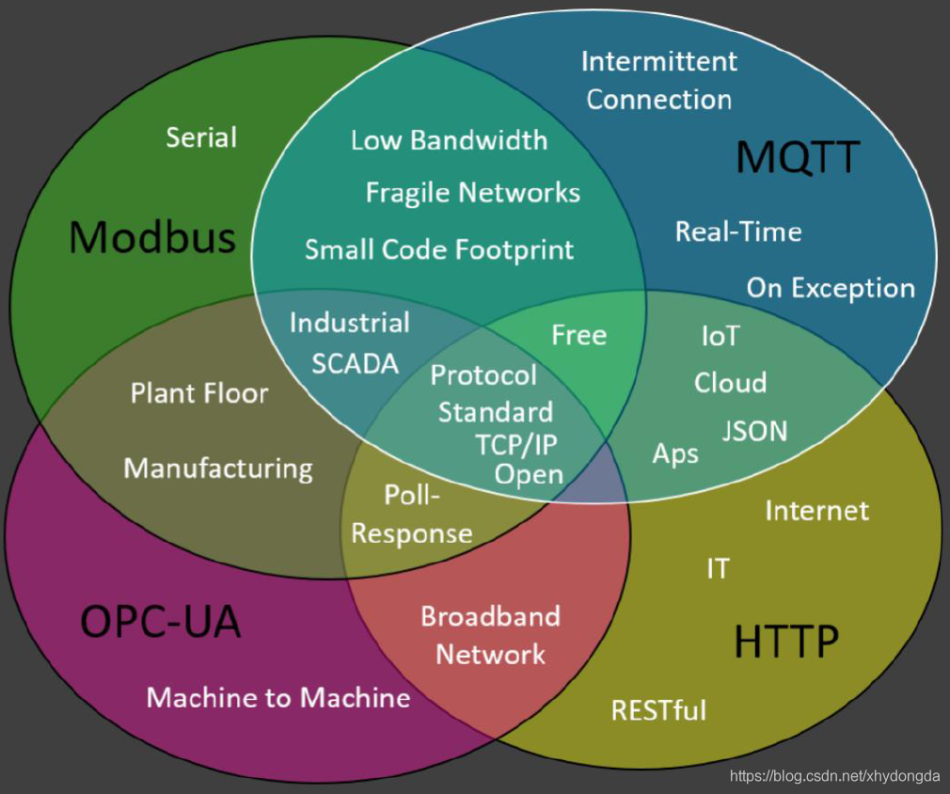
With the rise of the industrial Internet, Modbus may need to be more closely integrated with modern communication technologies such as MQTT and WebSocket. This can better support applications such as remote monitoring, data collection, and analysis.
2. Enhanced security:
The original Modbus protocol did not consider security. With the increasing threat of cybersecurity, Modbus may need to add more security features, such as encryption, authentication, and authorization, to protect data and devices.
3. Integration with edge computing:
With the development of edge computing technology, Modbus may be integrated into smarter devices, supporting data processing and analysis at the device edge to reduce the load on central servers.
4. Support for more IoT applications:
The rise of the Internet of Things (IoT) has brought new application opportunities for Modbus. By enhancing its functionality, Modbus can better support new application areas such as smart homes, smart cities, and health monitoring.
5. Enhanced scalability and flexibility:
To meet diverse application needs, Modbus may add more commands and functions, providing higher scalability and flexibility.
6. Interoperability with other protocols:
With the advancement of Industry 4.0 and the Industrial Internet, various industrial communication protocols may need to work better together. Modbus may develop more interoperability features with other protocols, supporting cross-protocol communication and data exchange.
7. More efficient data transmission:
To support massive data transmission and real-time communication, Modbus may introduce new data compression, optimization, and transmission technologies to enhance the efficiency and real-time performance of data transmission.
Conclusion:
Despite its long history, Modbus remains an active and evolving protocol. Through continuous innovation and improvement, Modbus is expected to maintain its leading position in the field of industrial control and automation. However, to address new challenges and opportunities, the Modbus community and manufacturers need to continue investing in research and development to ensure the modernity, security, and reliability of the protocol.


Leave a Reply