

**Internet of Things Protocols: A Crucial Bridge Connecting Devices and Data** The Internet of Things (IoT) is a burgeoning field in today's world, revolutionizing the way we live and work by linking our devices, sensors, and systems into a vast network, enabling intelligent, automated, and data-driven functionalities. However, for the IoT ecosystem to operate smoothly, various protocols are necessary to ensure seamless communication and data transmission among devices. In this article, we will delve into different types of IoT protocols, including transmission protocols, communication protocols, and industry protocols, along with their roles in various application scenarios.
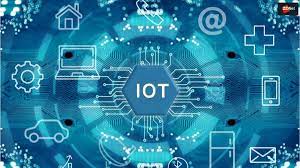 These protocols play a pivotal role in the Internet of Things (IoT), facilitating communication and data transmission among devices, thereby propelling the development and application of IoT technology. Depending on specific application scenarios and requirements, selecting the appropriate protocol is crucial for constructing a stable and reliable IoT system. Let's delve into these protocols to gain a deeper understanding of their roles in different applications.
Update on the landscape of agreements in 2026: The rise of Matter and UCI
In the past two years, there have been two significant changes in the IoT protocol layer that deserve attention:
- Matter 1.4 standardRelease (2025): The unified application layer protocol for smart homes, promoted by the CSA Alliance, has garnered support from leading manufacturers such as Apple, Google, Amazon, and Samsung. The underlying layer of Matter still communicates via IP (Wi-Fi/Thread), but for device manufacturers,One development can be compatible with multiple ecosystem platformsIt has significantly reduced the cost of access.
- Unified Communication Interface (UCI)A new unified communication interface standard in the industrial field is currently being promoted, with the goal of establishing a standardized protocol bridge between OPC UA and Modbus to achieve true integration of IT/OT.
For the field device layer of industrial IoT,Modbus RTU/TCP remains an irreplaceable de facto standard- It is simple, reliable, and has low implementation cost, with native support from over 80% of PLCs and sensors globally. modbus.cn will continuously track the latest changes in protocol standards to provide you with references for technical decision-making.


Leave a Reply